✍️ Latest Blog Insights
Stay informed with our latest news, articles & SMM tips
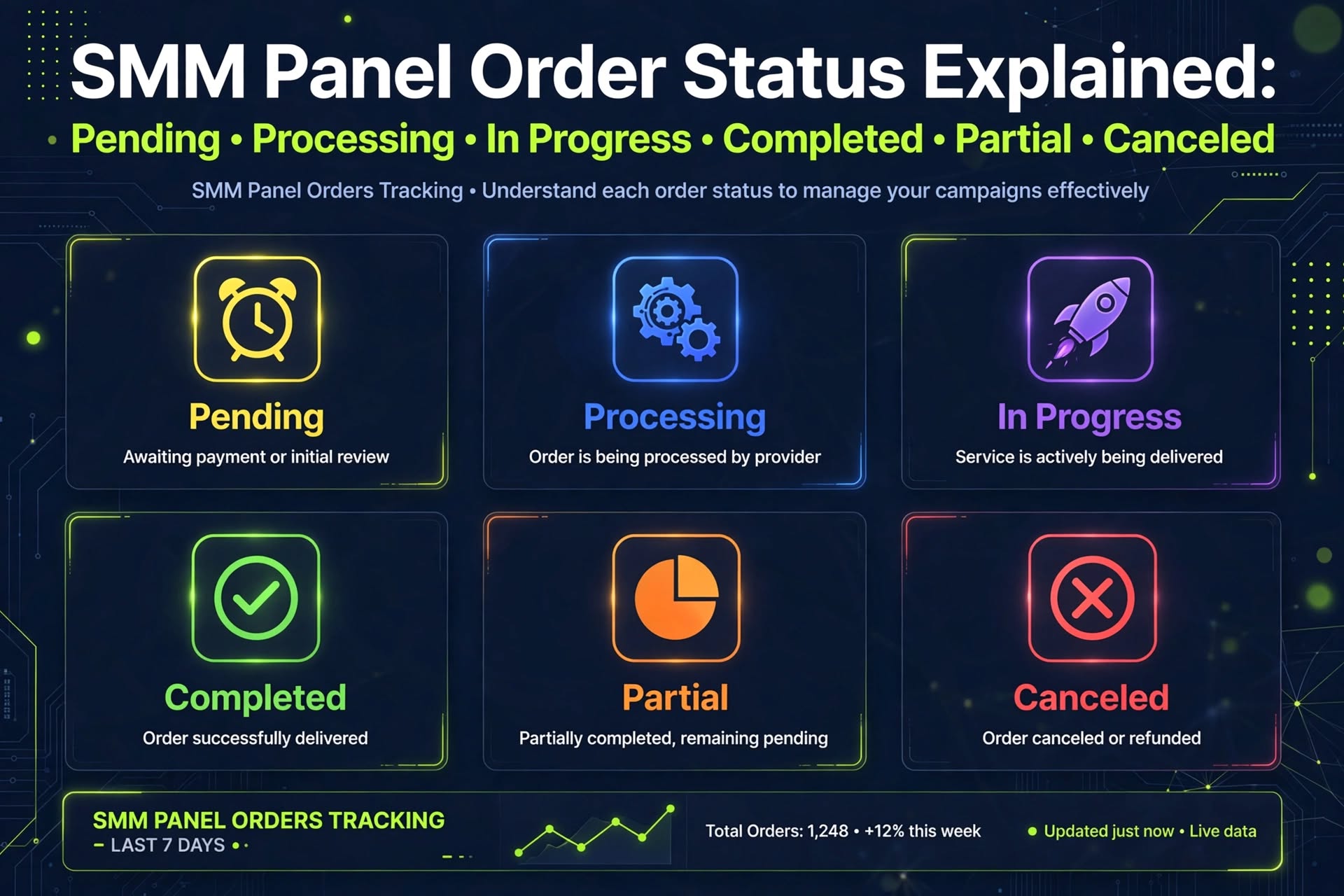
SMM Panel Order Status Explained: A Complete Guide
SMM Panel Order Status Explained: Pending, Processing, Completed, Partial and Canceled When you place an order through an SMM panel, you may see a status such as Pending, Processing, In Progress, Completed, Partial, or Canceled. These labels help you understand what the ordering system reports about your request. However, if you are new to SMM panels, it may not be clear what each status means or what you should do next. Understanding your SMM panel order status can help you track orders, avoid unnecessary duplicate requests, and contact customer support with the right information. In this guide, we will explain the most common order statuses and share practical steps for handling delays and incomplete orders. What Is an SMM Panel Order Status? An SMM panel order status is a label that describes the reported stage of an order. After submitting an order, you can usually check its status in the order history or dashboard. Depending on the platform, the order record may also show information such as the service name, order ID, quantity, charge, start count, or remaining quantity. The exact status labels and their meanings can vary between SMM panels and service providers. Always check the instructions and policies that apply to your specific order. 1. Pending A Pending status generally means that an order has been recorded but has not yet progressed to the next processing stage. Possible reasons include a queue, a delay in the provider's system, or an order awaiting acceptance. What should you do? - Check the order details and submission time. - Review the service description for estimated start times. - Confirm that you submitted the correct link and quantity. - Monitor the existing order in your dashboard. - Contact support if the stated timeframe has passed or the order details appear incorrect. Important: Do not immediately submit the same order again just because the status is Pending. The original request may already be in the queue. 2. Processing Processing generally means that the system or provider is handling the order. Some panels use Processing and In Progress interchangeably, while others assign them different meanings. A Processing status does not necessarily mean that the requested activity is already visible on the target social media account. What should you do? Review the order information and compare the elapsed time with the service's stated processing expectations. If the status remains unchanged beyond the expected timeframe, contact customer support with the relevant order ID. Avoid assuming that an order has failed simply because it has not updated immediately. 3. In Progress In Progress generally indicates that the order is being worked on or that delivery has started, according to the provider's system. The actual delivery speed can depend on the service, provider, order size, and current conditions. What should you do? - Monitor the existing order. - Check the service description for relevant limitations. - Compare the dashboard status with the available order information. - Contact support if there is a significant discrepancy or the order exceeds its stated timeframe. Remember that an active order status is not a guarantee of a specific completion time or a particular marketing outcome. 4. Completed Completed generally means that the system has marked the order as fulfilled according to its recorded process. However, Completed does not necessarily guarantee permanent retention, audience quality, increased sales, or improved reach. What should you do? Review the order record and check whether the reported result matches the service description. If the result appears inconsistent, save the order details and contact support. If the service includes a refill policy, review its eligibility conditions before submitting a request. A completed order and a successful long-term marketing campaign are not the same thing. 5. Partial A Partial status generally means that only part of the requested quantity was fulfilled or recorded as delivered. For example, imagine that you ordered 1,000 units but the provider reports that only 700 were delivered. The remaining 300 units represent the difference between the requested quantity and the reported delivery in this illustrative example. The exact way a panel handles Partial orders depends on its system and the applicable service terms. What should you do? - Check the requested quantity and reported result. - Review the order's remaining quantity, if available. - Check whether the system recorded a balance adjustment. - Review the relevant refund or partial-completion policy. - Contact support if the accounting or delivery information is unclear. Do not assume that every Partial order receives the same refund or balance adjustment. Confirm the applicable policy. 6. Canceled A Canceled status generally means that the order has been stopped or closed without proceeding through its normal fulfillment process. Possible reasons may include service availability, an invalid target link, provider limitations, or an approved cancellation request. The reason is not always visible in the status label itself. What should you do? Check the order details and any available cancellation message. Review your account balance or transaction history to determine whether an adjustment was recorded. If you cannot identify the reason for cancellation or the expected balance adjustment is missing, contact support with your order ID. Before submitting a replacement order, confirm that the original order is no longer active and that the target information is correct. SMM Panel Order Statuses at a Glance Order status| General meaning| Recommended next step Pending| Waiting for a processing stage| Check the start estimate Processing| Being handled by the system or provider| Monitor the order In Progress| Reported as actively underway| Review progress and service terms Completed| Marked as fulfilled| Verify the order record Partial| Only part of the requested quantity was fulfilled| Check remaining quantity and any adjustment Canceled| Stopped or closed| Check the reason and transaction record These are general explanations, not universal definitions. The exact meaning depends on the panel and service. Why Is My SMM Panel Order Taking So Long? Several factors can contribute to delays. Provider Queue The order may be waiting for processing. Check the service's stated start-time information before assuming there is a problem. Incorrect Link An unsupported, inaccessible, or incorrectly formatted link can prevent an order from progressing. Review the required link format in the service description. Service Availability A provider may temporarily be unable to process a particular service. Check for notices or contact support if the order remains unresolved. Technical Issues Communication problems between systems can delay status updates. An unchanged status alone does not establish whether the underlying request has failed. Order-Specific Restrictions Some services have quantity limits, account visibility requirements, or other conditions. Review the instructions that applied when you placed the order. How to Report an Order Problem to Customer Support When contacting support, provide enough information for the team to identify the issue. Include: - Your order ID - The service name or service ID - The time the order was placed - The current status - A short explanation of the problem - Relevant screenshots, if appropriate For example: “Hello, my order is still Pending, and the estimated start timeframe shown in the service description has passed. Could you please check the order status? My Order ID is [your order ID]. Thank you.” Never include your account password, payment password, or authentication codes in a support request. Providing clear information can help reduce unnecessary back-and-forth communication. How to Avoid Duplicate Orders Duplicate orders can create confusion and may result in additional charges. Follow these precautions: 1. Check your order history before submitting another request. 2. If a page times out, verify whether the original order was recorded. 3. Avoid repeatedly clicking the submit button. 4. Do not assume that an unchanged status means the request was rejected. 5. If you are uncertain, ask support to confirm the original order's state. If you use an API integration, make sure your system follows the provider's documented error-handling and retry rules. A failed response does not always mean that the provider failed to receive the original request. Understanding Refunds, Cancellations, and Refills Refunds, cancellations, and refills are different processes. Refund: A return or adjustment of money according to the applicable policy. Cancellation: Stopping an order when cancellation is supported and permitted. Refill: An additional delivery or correction for an eligible order under the provider's stated terms. Not every service supports all three options. Eligibility may depend on the service description, the order status, the time elapsed, and the provider's policies. Before placing an order, review the relevant terms so that you understand what options may be available if a problem occurs. Frequently Asked Questions How long should an SMM panel order remain Pending? There is no universal timeframe. It depends on the service and provider. Check the estimated start time and contact support if that timeframe has passed. Does Processing mean my order has started delivering? Not necessarily. Different panels use status labels differently. Check the provider's explanation and available order details. What does Partial mean in an SMM panel? It generally means that less than the requested quantity was fulfilled or recorded as delivered. Check the remaining quantity and applicable balance-adjustment policy. Does Completed guarantee permanent results? No. Completed generally indicates that the system marked the order as fulfilled. It does not guarantee permanent retention, engagement quality, or business results. Should I place another order if the first one is delayed? Check the original order first. Submitting another order without confirming the original status may result in duplicates or additional charges. Where can I find my order ID? Most panels display the order ID in the order history or dashboard. The exact location depends on the website's layout. Final Thoughts Understanding SMM panel order statuses makes it easier to track requests and identify when additional support may be needed. Pending, Processing, In Progress, Completed, Partial, and Canceled describe different stages or outcomes in an order workflow. However, their exact meanings and the available next steps depend on the provider and the service. Always review your order details, follow the stated service conditions, and contact support when the available information does not explain what happened. If you use SMMMarkets, consult the current service descriptions and applicable policies to understand how your orders are handled. Track your orders carefully, avoid unnecessary duplicates, and make decisions based on the information recorded in your dashboard.
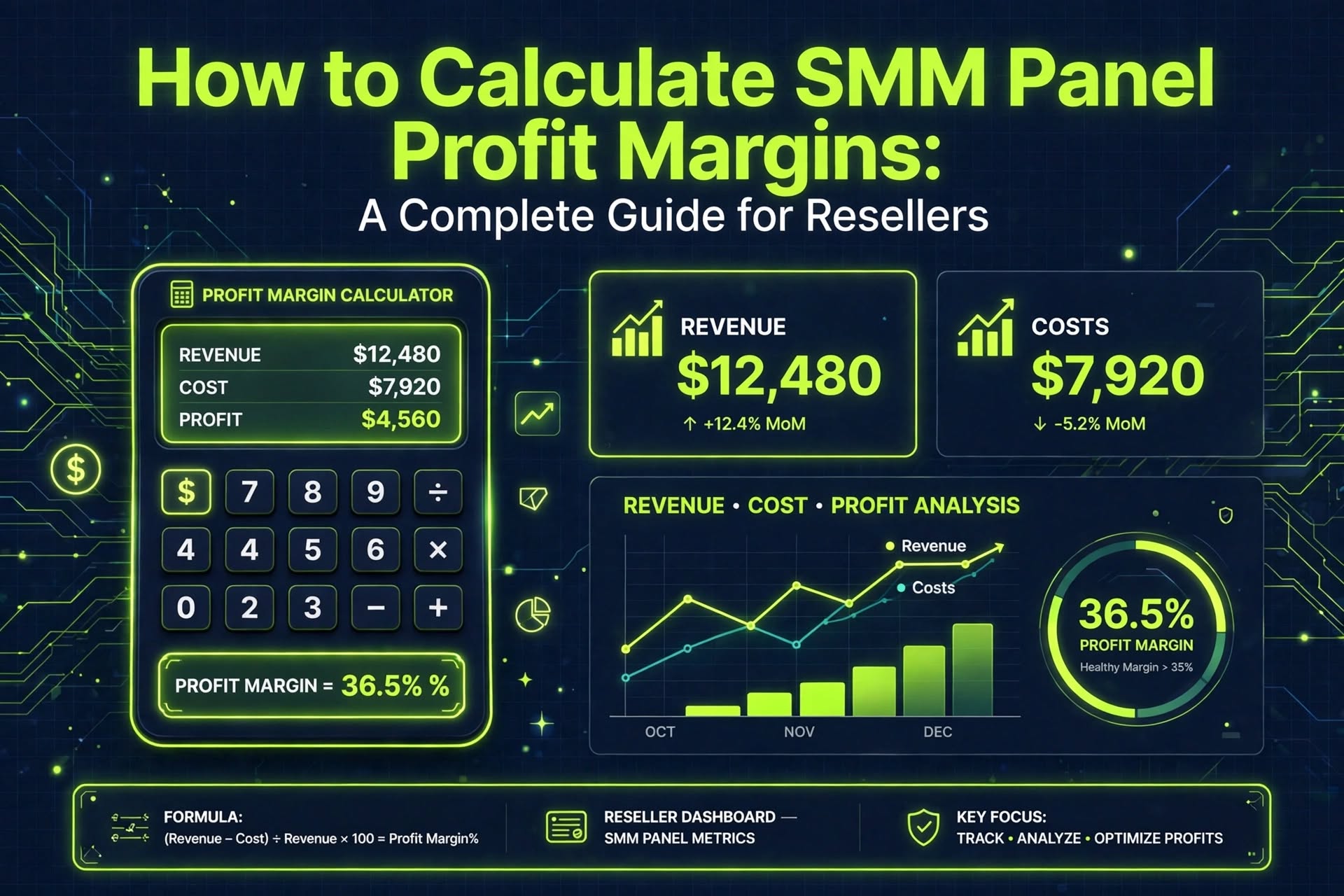
How to Calculate SMM Panel Profit Margins
How to Calculate SMM Panel Profit Margins: A Complete Guide for Resellers Running an SMM reseller business involves more than choosing services and setting selling prices. To operate sustainably, you need to understand how much each order costs, how much revenue it generates, and how much profit remains after expenses. A service may appear profitable when you compare its purchase price with its selling price. However, payment fees, hosting, refunds, currency conversion, and other operating expenses can reduce your actual earnings. In this guide, we will explain how SMM panel resellers can calculate profit margins, set prices, manage expenses, and make more informed business decisions. What Is an SMM Panel Profit Margin? Profit margin measures the percentage of revenue that remains as profit after the relevant costs are deducted. For an SMM reseller, profitability can be assessed at different levels: - Gross profit: Revenue minus the direct cost of fulfilling orders. - Operating profit: Profit after operating expenses are deducted. - Net profit: The amount remaining after all applicable expenses and other relevant charges are accounted for. Understanding these differences helps you avoid confusing sales revenue with actual earnings. 1. Calculate Your Direct Service Cost The first step is to determine how much it costs to fulfil an order. Your direct costs may include: - The provider's service charge - Applicable transaction fees - Currency conversion costs - Other expenses directly associated with the order For example, suppose a reseller purchases a service for $7 and sells it for $10. The gross profit before other costs is: Gross Profit = Selling Price − Direct Service Cost $10 − $7 = $3 The reseller earns $3 in gross profit on that example order, before other expenses. 2. Understand the Profit Margin Formula Profit margin and markup are different calculations. The gross profit margin formula is: Gross Profit Margin = (Gross Profit ÷ Selling Price) × 100 Using the previous example: - Selling price: $10 - Direct service cost: $7 - Gross profit: $3 Gross profit margin = ($3 ÷ $10) × 100 = 30% This means gross profit represents 30% of the selling price before other operating expenses. Markup, by contrast, measures profit as a percentage of cost: Markup = (Gross Profit ÷ Direct Cost) × 100 In this example, markup is ($3 ÷ $7) × 100, or approximately 42.86%. The two percentages are not interchangeable. 3. Include Operating Expenses Your business may have expenses even when no individual order is being processed. Common examples include: - Domain registration and website hosting - Software subscriptions - Payment gateway charges - Advertising and marketing - Customer support - Administrative expenses - Refunds and other losses Suppose your business generates $1,000 in monthly revenue and has $700 in direct service costs. Your gross profit is $300. If your additional operating expenses are $150, your operating profit before any other applicable expenses is $150. Operating profit margin: ($150 ÷ $1,000) × 100 = 15% This example demonstrates why a reseller should track operating expenses rather than relying only on the difference between purchase and selling prices. 4. Account for Payment and Currency Conversion Fees Payment costs can affect profitability, especially when your provider charges in one currency and your customers pay in another. Consider the following example: - Customer payment: $20 - Direct service cost: $13 - Payment and conversion costs: $1 Profit before other operating expenses: $20 − $13 − $1 = $6 Your contribution from that order is $6 before allocating general business expenses. Actual payment costs depend on the payment provider, transaction type, currency, and applicable rates. Use your real transaction records instead of assuming that every payment has the same fee. If you operate in Bangladesh or another market where exchange rates affect your costs, record the actual amount charged in your operating currency. 5. Set a Sustainable Selling Price Pricing too low can make it difficult to cover your costs. Pricing too high may make your offer less competitive. A useful starting point is to calculate the price needed to reach a target gross margin. The formula is: Selling Price = Direct Cost ÷ (1 − Target Gross Margin) Use the margin as a decimal in the formula. For example, if your direct cost is $8 and your target gross margin is 20%: Selling price = $8 ÷ (1 − 0.20) Selling price = $8 ÷ 0.80 = $10 At a $10 selling price, the gross profit is $2, representing a 20% gross margin before additional expenses. Remember that a target gross margin does not guarantee the same net profit margin. You still need to account for payment fees, refunds, and operating costs. 6. Track Profitability by Service Not every service has the same cost structure or demand. Create a simple record for each service containing: - Service name or identifier - Provider cost - Selling price - Payment fees - Refunds or other direct losses - Number of orders - Gross profit This helps you identify which services contribute most to your business. A service with a high margin may have very few orders. Another service may have a smaller margin but contribute more total gross profit because it sells more frequently. Evaluate both margin percentage and total profit rather than relying on a single metric. 7. Calculate Your Break-Even Point The break-even point is the level of sales at which your contribution from sales covers your fixed operating costs. A simplified formula is: Break-Even Sales = Fixed Costs ÷ Contribution Margin Ratio Suppose your monthly fixed costs are $120 and your contribution margin ratio is 40%. Break-even sales = $120 ÷ 0.40 = $300 Under these assumptions, you need $300 in sales to cover the $120 in fixed costs. This example assumes the contribution margin ratio remains constant and that the stated costs include the relevant variable expenses. Real business conditions may be more complex. Knowing your break-even point can help you set realistic sales targets and evaluate whether your current pricing model is sustainable. 8. Monitor Refunds, Failed Orders, and Service Issues Refunds and failed orders can reduce the amount your business keeps. Keep records of: - Cancelled orders - Refund amounts - Provider credits - Payment disputes - Service-related losses - Additional support costs Review these records regularly to understand their impact on profitability. Do not assume that a refund from a customer will automatically be matched by a refund from your provider. The applicable terms may differ. Clear service descriptions and transparent policies can help customers understand what they are purchasing and how issues will be handled. 9. Use a Monthly Profit Report A monthly report can help you understand the financial performance of your SMM reseller business. Track these figures: 1. Total revenue 2. Direct service costs 3. Gross profit 4. Payment and currency conversion fees 5. Advertising and other operating expenses 6. Refunds and other losses 7. Net profit 8. Net profit margin Net profit margin is generally calculated as: Net Profit Margin = (Net Profit ÷ Revenue) × 100 Use consistent accounting categories so that you can compare one month with another. Your accounting treatment may vary depending on your jurisdiction and business structure. Keep appropriate records and seek professional accounting advice when necessary. Common Pricing Mistakes SMM Resellers Should Avoid Confusing Markup With Margin A 30% markup does not produce a 30% profit margin. Use the correct formula for the metric you want to measure. Ignoring Small Fees Small transaction fees can accumulate across many orders. Include relevant fees when evaluating profitability. Competing Only on Price The lowest price is not always the best offer. Clear information, reliable support, and transparent policies can also matter to customers. Treating Revenue as Profit A high sales figure does not automatically mean the business is profitable. Subtract the appropriate costs before assessing performance. Failing to Review Prices Provider costs, payment fees, exchange rates, and market conditions can change. Review your pricing periodically and update it when necessary. Frequently Asked Questions What is a good profit margin for an SMM reseller? There is no universal ideal margin. It depends on service costs, operating expenses, competition, demand, and the level of support you provide. Calculate your costs before choosing a target. What is the difference between markup and profit margin? Markup compares profit with cost, while profit margin compares profit with selling price. They measure different things and produce different percentages. Should I include hosting and advertising in my calculations? Yes. Include relevant operating expenses when evaluating the overall profitability of your business. For service-level analysis, you can track direct costs separately from general overhead. How often should I review my prices? Review prices regularly and whenever significant provider costs, transaction fees, or exchange rates change. Use actual financial records to guide adjustments. Can an SMM panel guarantee reseller profits? No. Profitability depends on your costs, pricing, demand, service quality, and business operations. A platform or provider cannot guarantee that your reseller business will make a profit. Final Thoughts Calculating SMM panel profit margins helps resellers understand whether their pricing is sustainable and where their money is going. Start by recording direct service costs, calculating gross profit, including payment fees, and tracking operating expenses. Then review service-level performance and monthly financial results. By using accurate figures instead of guesswork, you can make better pricing decisions and build a more financially informed reseller business. If you are exploring SMM panel services through SMMMarkets, review the current service details and applicable costs carefully before setting your own prices.
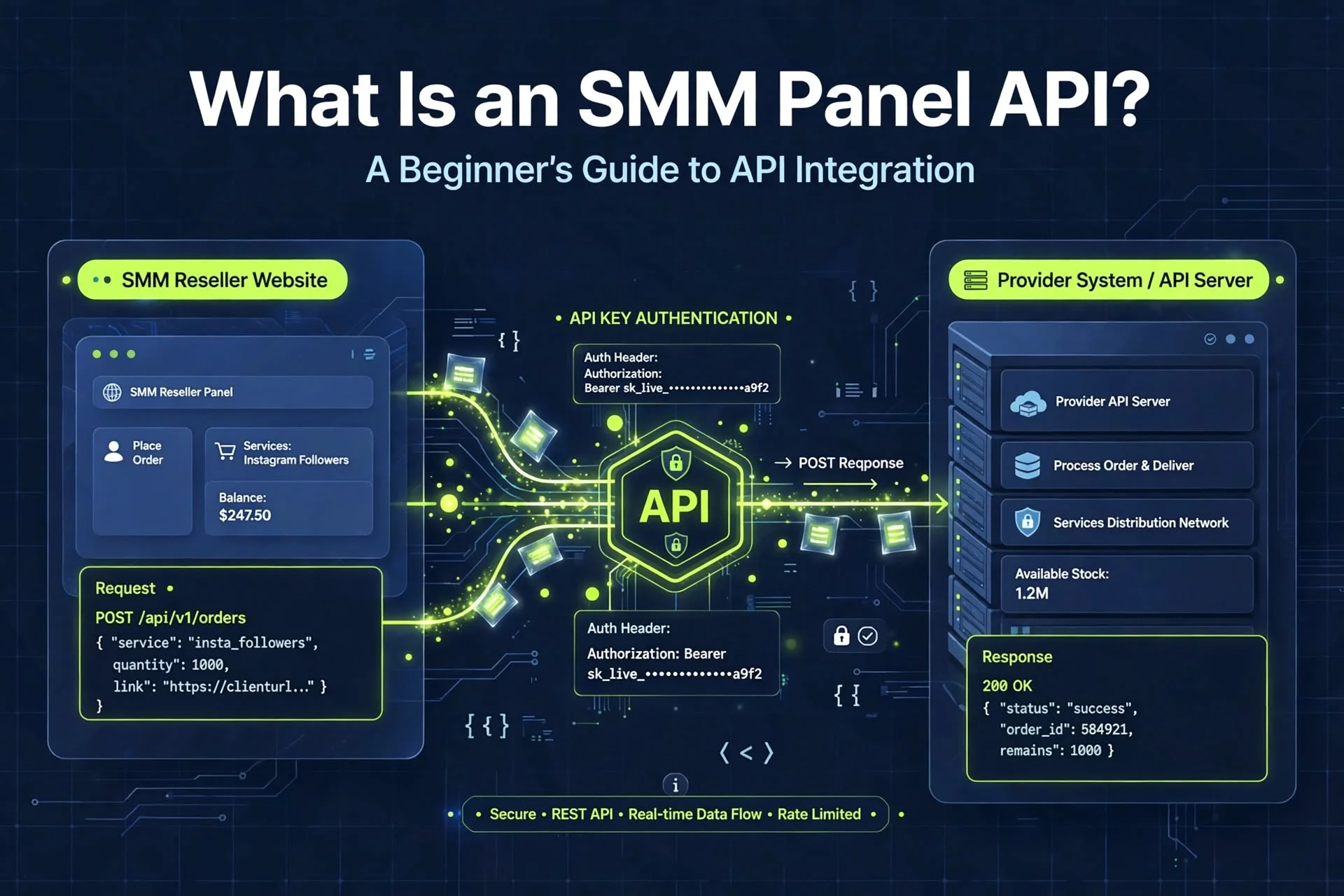
What Is an SMM Panel API? A Beginner’s Guide
What Is an SMM Panel API? A Beginner’s Guide to API Integration An SMM panel API can help businesses automate certain tasks when managing social media marketing services. For resellers, agencies, and developers, an API can connect one platform to another and reduce the need to process every order manually. However, understanding how an API works is important before integrating it into a website or business workflow. In this guide, we will explain what an SMM panel API is, how it works, which functions it may support, and what to consider before choosing an API provider. What Is an SMM Panel API? An API, or Application Programming Interface, allows two software applications to communicate according to a defined set of rules. In an SMM panel environment, an API may allow a reseller website to communicate with a service provider's system. Depending on the provider's supported functions, the reseller may be able to retrieve service information, submit orders, and check order statuses automatically. For example, a reseller might operate a website where customers select a service and submit an order. An API integration can send the required order information to a compatible provider without requiring the reseller to enter the same information manually. The exact features available depend on the provider's API documentation. How Does an SMM Panel API Work? A typical API integration involves several steps. Step 1: Obtain API Access The provider supplies API documentation and the credentials needed to authenticate requests. These credentials may include an API key or another approved authentication method. Access rules differ between providers, so review the documentation before beginning. Step 2: Connect Your Website A developer configures the website to communicate with the provider's API. This usually involves sending structured requests to the provider's documented endpoints. The integration must follow the provider's requirements for authentication, request formats, and supported actions. Step 3: Retrieve Service Information If supported, the API can return information about available services, such as service identifiers, names, descriptions, and prices. Your website can use this information to display relevant options to customers. Step 4: Submit an Order When a customer places an order, the website validates the submitted information and sends an order request to the provider. The integration should check the response carefully. A request being sent does not necessarily mean the order has been accepted or completed. Step 5: Check Order Status If the API supports status checking, your system can retrieve updates about an order. Possible statuses may include pending, processing, completed, partial, or cancelled, depending on the provider's terminology. A well-designed integration should handle delays, errors, and unexpected responses appropriately. Common Features of an SMM Panel API Not every API supports the same operations. Common functions may include the following. Service List The service-list function returns available services and associated information. This can help a reseller keep service listings organised. Add Order An order-submission function allows a connected website to submit an order using the required service identifier and order details. Order Status A status function can return information about an individual order, allowing the website to display updates. Multiple Order Statuses Some providers support retrieving status information for several orders in one request. This can be useful when managing a larger number of orders. Balance Check A balance function may allow the reseller to retrieve information about the available account balance with the provider. Refill or Cancellation Requests Some APIs support refill or cancellation requests for eligible orders. These functions are not universal, and a request may be rejected if the service or order does not qualify. Always confirm the available operations in the provider's official documentation. What Are the Benefits of API Integration? Less Manual Work API integration can reduce repetitive tasks such as copying order information between systems. Faster Order Processing Automated requests can help a connected website submit orders without manual forwarding. Actual processing and delivery times still depend on the provider and service. Centralised Order Management A reseller can display order information in its own dashboard, depending on the functions supported by the API and the features built into the website. Easier Business Scaling Automation may help a business handle more orders without increasing manual work at the same rate. Scaling still requires appropriate infrastructure, monitoring, and customer support. Better Workflow Integration An API can connect compatible systems, allowing a business to build workflows that fit its operating requirements. API Integration vs. Manual Order Processing Manual order processing involves a person entering or forwarding order information. API integration allows compatible systems to exchange information automatically. Manual processing can be sufficient for a small operation with limited order volume. An API may be useful when the business needs to manage more orders or connect multiple systems. Neither approach guarantees service quality. Both require accurate order information, clear policies, and a process for resolving problems. How to Choose the Right SMM Panel API Provider Before integrating an API, evaluate the provider carefully. 1. Read the API Documentation Documentation should explain authentication, available endpoints, required parameters, response formats, and error handling. Clear documentation makes implementation and troubleshooting easier. 2. Check Supported Functions Confirm that the provider supports the operations your website needs. Do not assume that every API includes balance checks, refills, cancellations, or bulk status requests. 3. Review Pricing and Account Requirements Understand how services are priced, whether there are account requirements, and how the provider handles balance changes or rejected orders. Calculate your costs before offering services to customers. 4. Evaluate Support Check how developers can report API errors or request technical assistance. Reliable documentation and an identifiable support process are useful when problems arise. 5. Review Security Practices Understand how the API authenticates requests and how credentials should be stored. Avoid providers that require unnecessary access to your website or customer information. 6. Test Before Launching Use a permitted test environment if one is available. Otherwise, follow the provider's instructions for safe testing and avoid placing unnecessary live orders. Verify that your integration handles valid requests, rejected requests, timeouts, and unexpected responses correctly. SMM Panel API Security Best Practices API credentials should be treated as confidential information. Follow these practices when developing an integration: - Store API keys on the server rather than exposing them in public browser code. - Never publish API credentials in a public repository. - Use HTTPS when communicating with the provider. - Validate customer input before sending requests. - Handle errors without exposing confidential technical details. - Apply appropriate access controls to administrative functions. - Monitor unusual request patterns and failed operations. - Rotate credentials if they are exposed or compromised. - Follow the provider's rate limits and usage rules. These measures help reduce common integration risks, but they do not replace a broader security review. Common API Integration Problems Authentication Errors Requests may fail if credentials are incorrect, expired, or sent in the wrong format. Check the authentication instructions and keep credentials secure. Invalid Parameters An API request may be rejected if a required parameter is missing or has an unsupported value. Validate input against the documentation. Incorrect Service IDs A service identifier can be invalid or may no longer be available. Refresh service information when appropriate and handle unavailable services gracefully. Timeouts and Network Errors A request may time out even when the provider is temporarily processing it. Avoid blindly repeating order-submission requests, because doing so could create duplicate orders. Use the provider's documented retry rules and, where supported, a unique request identifier or another duplicate-prevention mechanism. Status Synchronisation Issues Your website may not immediately reflect a status change. Use the provider's documented status-checking process and make sure your system handles temporary inconsistencies. Frequently Asked Questions What is an SMM panel API used for? An SMM panel API can connect compatible websites and service-provider systems. Depending on its features, it may support service-list retrieval, order submission, status checking, and other operations. Do I need programming skills to use an SMM panel API? Some platforms offer built-in API integration options, while custom integrations generally require development skills. The amount of work depends on the website, provider, and required features. Is every SMM panel API the same? No. API authentication, available functions, parameters, response formats, and usage limits vary between providers. Can an API automatically complete every order? No. An API can automate supported requests and retrieve available updates, but it cannot guarantee that a service will be delivered successfully or within a particular timeframe. Is API integration secure? Security depends on how the provider and the connected website handle authentication, credentials, data, permissions, and errors. Review the documentation and apply appropriate security practices. Final Thoughts An SMM panel API can help resellers and developers automate supported operations, manage order information, and connect compatible systems. However, successful integration requires more than obtaining an API key. Review the documentation, confirm the supported functions, protect your credentials, test the integration carefully, and prepare for errors and failed requests. If you are exploring SMM panel solutions, review the available information on SMMMarkets and confirm the current API features and requirements before planning an integration. A reliable workflow begins with clear documentation, careful implementation, and realistic expectations.

SMM Panel Security: 10 Things to Check Before Ordering
SMM Panel Security: 10 Things to Check Before Ordering Choosing an SMM panel involves more than comparing prices and browsing available services. Security, transparency, and reliable customer support are also important when selecting a platform for social media marketing services. Whether you are a content creator, freelancer, digital marketing agency, or reseller, understanding the basics of SMM panel security can help you make more informed decisions and reduce avoidable risks. In this guide, we will explain ten important things to check before placing an order through an SMM panel. 1. Check the Website Connection Before creating an account or entering personal information, check whether the website uses HTTPS. HTTPS encrypts information exchanged between your browser and the website. It helps protect data in transit, although it does not guarantee that a website or its operator is trustworthy. To check the connection: - Look for HTTPS in the website address. - Make sure the domain name is spelled correctly. - Avoid links from suspicious messages or unexpected advertisements. - Be cautious if your browser displays a security warning. A secure connection is an important starting point, not a complete security assessment. 2. Never Share Your Social Media Password A legitimate service request should not require you to casually disclose your social media account password. Be especially cautious if a website asks for your Instagram, Facebook, YouTube, or other social account login credentials when those credentials are not necessary for the stated service. Never share your password, recovery codes, or two-factor authentication codes with an unknown provider. If a service requires account access for a specific legitimate reason, understand exactly what permissions are requested and why. When possible, use official authorization methods with limited permissions rather than sharing your password. 3. Review the Privacy Policy A privacy policy should explain how a website collects, uses, stores, and shares personal information. Before registering, look for answers to these questions: - What information does the platform collect? - Why is that information required? - Is information shared with third-party providers? - How long is information retained? - How can you contact the platform about privacy concerns? - What options are available for account closure or data-related requests? If important information is missing or unclear, contact the platform before submitting sensitive details. Avoid assuming that every platform follows the same data protection practices. 4. Examine Payment Methods and Billing Information Before adding funds or purchasing a service, understand how the payment process works. Check whether the platform clearly explains its supported payment methods, transaction records, applicable fees, and refund conditions. You should also consider: - Whether the payment page uses a secure connection - Whether the payment recipient and amount are clearly identified - Whether you receive a transaction reference or receipt - Whether the platform explains how to report a payment problem Never provide your payment password, one-time authentication code, or full card security details directly to an unfamiliar person through a chat message. If something about a payment request seems unusual, stop and verify it through an official support channel. 5. Understand the Service Description A low price does not necessarily mean that a service is suitable for your needs. Before ordering, review the service description carefully. Look for details about eligibility, processing conditions, limitations, cancellation, refill availability, and other relevant terms. Do not assume that every service works in the same way or produces the same results. No SMM panel should be treated as a guarantee of viral reach, permanent engagement, sales, or monetization. Results can vary, and certain artificial engagement practices may violate the rules of social media platforms. 6. Check Refund, Cancellation, and Refill Policies Problems can occur with online services, so it is important to understand the provider's policies before placing an order. Look for clear explanations of: - When an order can be cancelled - What happens if an order fails - Whether refunds are available and under what conditions - Whether refill options apply to particular services - How to report a missing or incorrect order Keep your order ID, payment reference, and relevant support correspondence. These records can help when you need assistance. Avoid assuming that every service includes a refund or refill. Policies can differ by service and provider. 7. Evaluate Customer Support Customer support matters when an order is delayed, a payment is not reflected, or a service does not behave as expected. Before committing a significant amount of money, check how the platform handles questions. Useful signs include: - A clearly identified support channel - Instructions for submitting a support ticket - An understandable process for reporting order problems - Clear explanations rather than unrealistic promises - Consistent information about service terms You can ask a simple pre-sale question to understand how the support process works. However, a quick reply alone does not prove that a provider is reliable. 8. Protect Your Account With Strong Security Practices Your own account security is just as important as the website's security. Follow these basic precautions: - Use a unique password that you do not reuse on other websites. - Enable two-factor authentication if the platform offers it. - Never share login credentials with other people. - Avoid signing in on shared or untrusted devices. - Sign out of devices you no longer use. - Keep your email account secure because it may be used for password recovery. If you use the same password across multiple websites, a breach on one service could put your other accounts at risk. A password manager can help you generate and store unique passwords securely. 9. Review the Platform's Reputation Carefully Online reviews can provide useful context, but they should not be treated as definitive proof of quality. When researching an SMM panel, look for detailed experiences that explain what happened, how the provider responded, and whether the issue was resolved. Consider these questions: - Are reviews specific and consistent? - Do multiple sources describe similar experiences? - Are complaints answered professionally? - Are the platform's terms consistent with its public claims? - Are there clear contact and support details? Be cautious of websites that promise guaranteed results, display only vague praise, or pressure you to deposit money immediately. No single review or rating can establish that a platform is completely safe. 10. Understand Social Media Platform Policies Security also includes protecting your social media accounts and online reputation. Social networks have their own rules about automated activity, artificial engagement, spam, and unauthorized access. Violating those rules may lead to reduced distribution, removal of engagement, restrictions, or account penalties. Before choosing a service, review the applicable platform policies and consider whether the service is consistent with them. For businesses and creators, genuine audience development through useful content, community interaction, and appropriate promotion can provide a more sustainable foundation for long-term growth. SMM Panel Security Checklist Before placing an order, review this checklist: - The website address is correct and uses HTTPS. - The service does not request unnecessary account passwords. - Privacy information is available and understandable. - Payment terms and transaction records are clear. - Service descriptions explain relevant limitations. - Refund and cancellation conditions are documented. - Customer support has a clear contact process. - Your account uses a unique password. - You have researched the platform beyond a single review. - The service does not require you to ignore relevant social media policies. If several important details are missing, pause and investigate before adding funds or submitting an order. Frequently Asked Questions Is every SMM panel safe to use? No. Security and reliability vary between platforms. Review the website, privacy practices, payment terms, service policies, and customer support before making a decision. Should I provide my social media password to an SMM panel? Do not share your password with an unfamiliar provider. Understand any requested permissions and use official, limited-access authorization methods where available. Does HTTPS mean an SMM panel is trustworthy? No. HTTPS helps encrypt information transmitted between your browser and the website, but it does not prove that the operator is legitimate or that the services are reliable. What should I do if an order fails? Check the service's stated terms, save your order and payment references, and contact the platform through its official support channel. Whether a refund or other resolution is available depends on the applicable policy. How can resellers reduce business risk? Compare providers, test the ordering process, maintain accurate records, explain service limitations, calculate costs carefully, and avoid making promises that cannot be guaranteed. Final Thoughts SMM panel security involves more than checking a website address. It includes protecting your account, understanding privacy practices, reviewing payment terms, evaluating customer support, and knowing the limitations of the services you purchase. Taking time to evaluate these factors can help you make better-informed decisions and manage your online marketing activities more responsibly. At SMMMarkets, review the currently available service information and applicable terms before placing an order. If you have questions about a service, contact the appropriate support channel before proceeding. Make informed decisions, protect your accounts, and prioritize transparency when choosing social media marketing services.
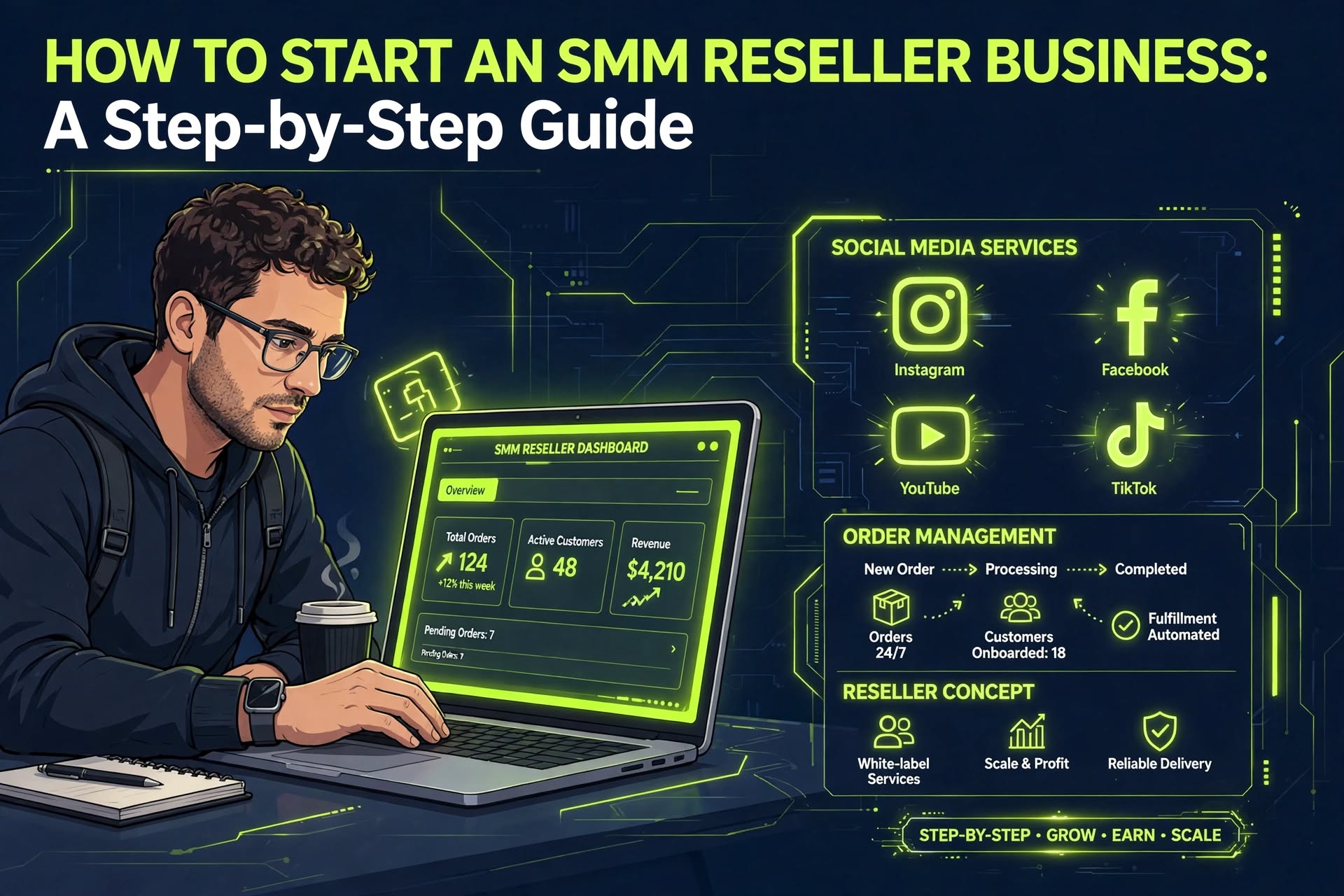
How to Start an SMM Reseller Business
How to Start an SMM Reseller Business: A Step-by-Step Guide Starting an SMM reseller business can be an opportunity for aspiring entrepreneurs, freelancers, and digital marketers who want to offer social media-related services online. Instead of developing every service independently, a reseller works with service providers and manages customer orders through an online platform. However, building a sustainable business requires more than setting up a website and choosing low-cost services. You need to understand your target market, compare providers, calculate your costs, provide reliable customer support, and communicate service limitations honestly. In this guide, we will explain how an SMM reseller business works and outline the practical steps involved in getting started. What Is an SMM Reseller Business? An SMM reseller business offers social media marketing-related services to customers through an online storefront or service platform. Depending on the provider, available services may relate to platforms such as Instagram, Facebook, YouTube, TikTok, and other social networks. A reseller typically purchases services from a provider and sells them to customers at a price that covers the underlying cost and the reseller's operating expenses. For example, a digital marketing freelancer might offer selected social media services alongside content creation, campaign management, or account consulting. The reseller's responsibilities can include customer communication, order management, pricing, payment processing, and after-sales support. Important: Service availability and quality vary between providers. Social media platforms also have their own rules concerning artificial engagement and automated activity. Review the relevant policies before choosing or offering a service. Step 1: Identify Your Target Customers Before launching your business, decide whom you want to serve. Potential customer groups include: - Freelancers who provide digital marketing services - Small businesses looking for social media support - Marketing agencies managing multiple clients - Content creators seeking help with their online presence - Other resellers looking for service providers Each group has different needs. A beginner may prefer a simple ordering process, while an agency may need detailed order tracking, API access, and support for multiple clients. Start with one clearly defined customer group. Understanding its needs will help you choose appropriate services and communicate your value more effectively. Step 2: Research and Compare Service Providers Your service provider can significantly influence your business's reliability and reputation. Do not choose a provider based on price alone. Compare the following factors: - Service information: Are delivery conditions and limitations clearly explained? - Pricing: Are the rates transparent, and can you calculate your total costs? - Order tracking: Can you check whether an order is pending, processing, completed, or cancelled? - Customer support: Is there a clear way to contact the provider when an issue occurs? - Refund and refill policies: Are the conditions explained before purchase? - API documentation: If you need automation, are the supported functions documented? - Security: Does the provider request only the information necessary for the service? Test the ordering and support process carefully before relying on a provider for customer orders. Avoid making promises about delivery speed, engagement quality, or results unless you have evidence to support them. Step 3: Choose Your Business Model There are several ways to operate an SMM reseller business. Option 1: Manual Reselling You communicate with customers directly, manage orders manually, and coordinate fulfilment with your service provider. This approach can be useful when testing demand with a small number of customers. However, manual work becomes more difficult as order volume increases. Option 2: An Online SMM Panel An online panel provides a central place where customers can browse services, submit orders, and track their status. Depending on the platform, features may include account balances, payment processing, order history, support tickets, and service management. Before launching, verify that the panel works correctly on mobile devices and clearly explains its terms and service conditions. Option 3: API-Based Reselling An API can allow your website to exchange information with a compatible service provider automatically. Depending on the available API functions, this may support service-list retrieval, order submission, and status checking. The exact capabilities depend on the provider's documentation. API integration requires appropriate technical setup, error handling, and monitoring. Do not assume every provider supports the same functions. Step 4: Calculate Your Costs and Selling Prices Pricing is one of the most important parts of running a reseller business. Your expenses may include: - Service provider charges - Website hosting and domain costs - Payment processing fees - Software and API-related costs - Customer support and administration - Refunds, failed orders, and other operating expenses Consider this simplified example. Suppose a service costs you $8, and you sell it for $12. Your gross profit before other expenses is $4. Gross profit margin is calculated as: Gross Profit Margin = (Selling Price − Direct Cost) ÷ Selling Price × 100 Using the example above: ($12 − $8) ÷ $12 × 100 = 33.33% This is not your final net profit. Payment fees, refunds, hosting, taxes where applicable, and other expenses may reduce the amount you keep. Calculate your costs carefully before deciding on a markup. A low selling price does not automatically make a business more competitive or profitable. Step 5: Set Up Your Website and Ordering Process Your website should make it easy for customers to understand your services and place orders. Important pages and features may include: - A clear homepage explaining your services - Service descriptions and current pricing - Registration and login - A straightforward ordering process - Supported payment methods - Order history and status tracking - Frequently asked questions - Terms of service and privacy information - A clear customer support channel Make sure customers can understand what they are buying before they pay. Explain any minimum order requirements, expected processing conditions, cancellation rules, and refund limitations. If you offer services through an existing SMM panel platform, check its documentation and available features before promising customers that a particular function is supported. Step 6: Establish Clear Customer Support Policies Good customer support can help distinguish your business from competitors. Prepare clear answers to common questions: - How does a customer place an order? - How can they check an order's status? - What happens if an order is delayed? - Under what conditions can an order be cancelled? - When is a refill or refund available? - How can a customer contact your support team? Explain policies before an order is placed, not only after a problem occurs. Keep records of order references and support conversations, and avoid promising guaranteed engagement, permanent retention, or specific business outcomes. Step 7: Promote Your Business Responsibly Once your website and service process are ready, begin attracting relevant customers. Useful marketing approaches include: Search Engine Optimization Publish helpful guides that answer real customer questions. Topics can include how SMM panels work, how to compare providers, how reseller pricing is calculated, and how API integrations operate. Use descriptive page titles, clear headings, relevant internal links, and original explanations. Avoid publishing many nearly identical pages simply to target different keywords. Social Media Content Share educational posts, tutorials, service explanations, and practical digital marketing tips. Focus on demonstrating your knowledge rather than making unsupported claims about guaranteed results. Content Marketing Create useful resources for freelancers, agencies, and small businesses. A well-written article can help potential customers understand your services before contacting your team. Customer Retention Provide transparent pricing, helpful support, and accurate order information. Long-term relationships are more valuable than attracting customers through unrealistic promises. Always follow the advertising rules and terms of the platforms where you promote your business. Step 8: Monitor Performance and Improve Launching the website is only the beginning. Review your business performance regularly. Useful metrics include: - Number of new customers - Customer acquisition cost - Number of completed orders - Average order value - Gross profit margin - Refund and cancellation rates - Support response time - Repeat purchase rate Use these metrics to identify problems and improve your service. For example, a high number of support requests may indicate that your service descriptions or ordering instructions need to be clearer. If you publish blog content, use Google Search Console to monitor search impressions, clicks, search queries, and page performance. Use the information to improve articles that are relevant to your audience. Common Mistakes to Avoid New resellers can face several avoidable problems. Choosing a provider based only on price: Low rates do not guarantee consistent service quality or reliable support. Making unrealistic promises: Avoid guaranteeing follower retention, viral reach, sales, or monetization. Ignoring platform policies: Artificial engagement and certain automated activities may violate social networks' rules and can put accounts at risk. Underpricing services: Remember to include payment fees, operating costs, and the possibility of refunds when calculating prices. Neglecting customer support: Unanswered questions and unclear policies can damage trust. Publishing low-quality SEO content: Helpful, original articles are more useful to readers than repetitive pages written only to include keywords. Is an SMM Reseller Business Right for You? An SMM reseller business may suit people who understand digital marketing, customer service, online operations, and basic business calculations. It is not a guaranteed source of income. Results depend on customer demand, operating costs, service reliability, competition, and how responsibly the business is managed. Start by researching your market, testing your processes, and calculating your costs. Expand only when you understand your customers and can maintain the service standards you promise. Final Thoughts Starting an SMM reseller business involves more than choosing a panel and listing services. You need a suitable business model, dependable providers, transparent pricing, a clear ordering process, and a practical marketing strategy. By focusing on customer needs, responsible promotion, and continuous improvement, you can build a more sustainable foundation for your online business. If you are researching SMM panel solutions, explore the information and available services on SMMMarkets to understand whether the platform fits your requirements. Always review the current service details and terms before placing an order.
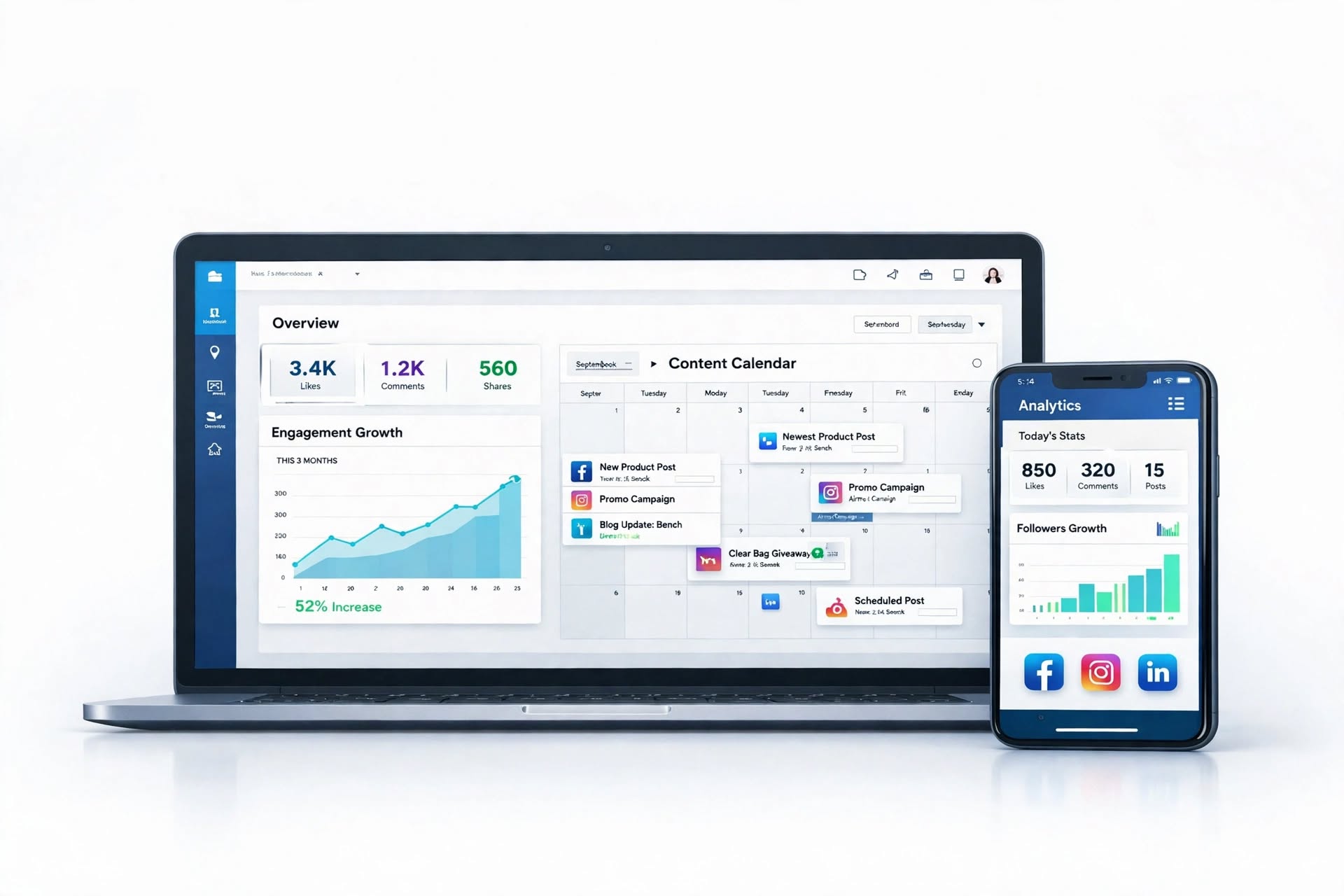
What Are Social Media Marketing Services? A Complete Guide for Businesses
What Are Social Media Marketing Services? A Complete Guide for Businesses Introduction Social media has become an essential communication and marketing channel for businesses of all sizes. From small online stores to established brands, businesses use social platforms to connect with audiences, share information, promote products, and build lasting customer relationships. However, effective social media marketing involves more than publishing occasional posts. Businesses may need content creation, campaign planning, audience research, analytics, advertising, and other services to support their marketing goals. This is where social media marketing services can help. In this guide, we will explain what social media marketing services are, explore the different types available, discuss their potential benefits, and help you understand how to choose services that fit your business needs. What Are Social Media Marketing Services? Social media marketing services are activities, tools, or solutions that help businesses and creators manage, promote, and improve their presence on social media platforms. These services can include professional marketing support, content creation, advertising management, analytics, social media strategy, and access to certain platform-related promotional services. The exact services available depend on the provider. Some businesses work with a digital marketing agency or freelancer for complete campaign management. Others manage their own accounts and use specialized tools or service platforms to support specific tasks. The right choice depends on your objectives, budget, available skills, and the amount of support your business requires. Why Are Social Media Marketing Services Important? Social media marketing can help businesses communicate with customers and promote their offerings, but managing it effectively takes time and planning. Suitable services may help businesses organize their marketing activities, improve their content strategy, and understand how audiences respond to their campaigns. Potential benefits include: 1. Improved Brand Awareness Consistent and relevant content can introduce your business to people who may not know about your products or services. 2. Better Audience Communication Social media provides opportunities to answer questions, respond to feedback, and share useful information with potential customers. 3. More Organized Marketing Activities Planning tools, content services, and campaign management solutions can help businesses organize their workflows. 4. Data-Informed Decisions Analytics services and platform insights can help marketers understand which content and campaigns support their objectives. 5. Support for Business Goals Depending on the service, social media marketing may support website traffic, lead generation, product discovery, or sales. These benefits are not automatic. Outcomes depend on the service, business strategy, audience, execution, and other factors. Types of Social Media Marketing Services Social media marketing includes several categories of services. Understanding the differences can help you identify what your business actually needs. 1. Social Media Strategy and Planning Strategy services focus on defining marketing objectives, identifying target audiences, selecting appropriate platforms, and developing a content plan. A clear strategy helps businesses prioritize activities instead of posting without a specific purpose. This type of service may be useful for businesses that are starting from scratch or struggling to organize their marketing efforts. 2. Content Creation Services Content creation services may include designing graphics, writing captions, producing videos, preparing carousels, and developing other social media assets. Quality content should reflect the brand's identity and provide value to its intended audience. Before selecting a provider, review examples of its work and confirm that you have the necessary rights to use the delivered materials. 3. Social Media Management Social media management can involve scheduling posts, maintaining content calendars, responding to comments, organizing messages, and monitoring account activity. The exact responsibilities depend on the agreement with the service provider. Businesses should clarify which platforms are included, how frequently content will be published, and what level of customer communication is covered. 4. Social Media Advertising Advertising services help businesses plan, launch, and manage paid campaigns on supported platforms. Depending on the platform and campaign objective, advertising may support brand awareness, website visits, lead generation, or sales. Professional advertising support may include audience research, creative testing, campaign setup, budget management, and performance reporting. Paid campaigns require careful monitoring. Advertising does not guarantee sales, leads, or a positive return on investment. 5. Analytics and Performance Reporting Analytics services help businesses understand how their social media content and campaigns perform. Reports may include relevant metrics such as reach, impressions, engagement, link clicks, conversions, and advertising expenditure. The most useful metrics depend on the marketing objective. A business focused on sales should evaluate meaningful conversions rather than relying only on likes or views. 6. Influencer Marketing Influencer marketing involves collaborating with creators who have audiences relevant to a brand. Potential activities include sponsored content, product demonstrations, reviews, and other agreed promotional collaborations. Businesses should evaluate audience relevance, content quality, authenticity, campaign terms, and applicable disclosure requirements before entering a partnership. 7. Social Media Promotional Services Some providers offer specific social media-related services through online dashboards or centralized ordering systems. An SMM panel is one example of a platform that allows users to browse and order supported services through a single interface. Available services, requirements, delivery estimates, and limitations vary between providers. Before ordering, review the service description and applicable social platform policies. Artificial engagement or prohibited automation may violate platform rules and may not produce meaningful business outcomes. What Is an SMM Panel, and How Does It Fit In? An SMM panel, short for Social Media Marketing panel, is an online platform that provides a centralized interface for browsing and ordering certain social media-related services. Instead of managing each order through a separate provider, users may be able to review service options, compare listed prices, submit orders, and monitor progress through a dashboard. An SMM panel is different from a full-service digital marketing agency. A marketing agency may provide strategy, creative production, campaign management, and reporting. An SMM panel generally focuses on access to listed services and order management, although features differ by provider. Neither option automatically guarantees business growth. When evaluating an SMM panel, consider service transparency, pricing, support, refund policies, privacy practices, and compliance with the relevant social media platform's rules. How to Choose the Right Social Media Marketing Services Choosing the right services starts with understanding your goals. 1. Define Your Business Objective Decide whether you want to improve brand awareness, publish better content, attract relevant website visitors, generate leads, or support sales. Different goals require different services. 2. Understand Your Target Audience Identify your customers' interests, questions, needs, and preferred platforms. A service is more likely to be useful when it supports a clearly defined audience and marketing objective. 3. Compare Service Details Read the description of each service carefully. Check what is included, what information is required, the estimated delivery time, and any restrictions or limitations. 4. Review Pricing and Budget Compare the total cost rather than choosing an option based only on its advertised price. Consider whether the service fits your available budget and whether you can measure its value. 5. Check Customer Support Look for clear support channels and understandable procedures for handling questions, payment issues, and order problems. Do not assume that support is available around the clock unless the provider confirms it. 6. Protect Your Privacy and Security Never share account passwords, one-time verification codes, or recovery credentials with a service provider. Review the provider's privacy practices and be cautious about unnecessary account permissions. 7. Check Platform Policies Review the rules of the social network involved before using a third-party service. Avoid activities that violate platform policies or create unnecessary risks for your accounts. 8. Set Realistic Expectations No legitimate service can guarantee viral reach, permanent engagement, a specific number of sales, or long-term growth in every situation. Evaluate services according to their actual scope and your business objectives. Organic Marketing vs. Paid Social Media Services Organic and paid social media marketing serve different purposes. Organic marketing focuses on publishing useful content, engaging with audiences, maintaining a recognizable brand presence, and building relationships over time. Paid social media marketing involves paying a platform to distribute advertising content to selected audiences. Organic activities can help establish a strong foundation, while paid campaigns may provide additional distribution for specific objectives. Many businesses use a combination of both approaches. For example, a business might publish educational posts organically and use a paid campaign to promote a relevant product or landing page. The best balance depends on the audience, marketing objective, available resources, and performance data. How Small Businesses Can Get Started Small businesses do not need to use every available service at once. A practical starting process includes the following steps: Step 1: Optimize Your Social Profiles Ensure your business name, description, contact information, and website link are accurate. Step 2: Create a Simple Content Plan Prepare useful posts that introduce your business, answer customer questions, and explain your products or services. Step 3: Choose the Most Relevant Platform Focus on the social networks that best match your target audience and content format. Step 4: Track Performance Review available analytics to understand which posts attract relevant interactions and which activities support your objectives. Step 5: Identify Your Biggest Challenge Determine whether you need help with content creation, campaign management, analytics, or another specific task. Step 6: Evaluate Suitable Services Compare providers, review their terms, and choose services that address your actual needs. Step 7: Improve Gradually Review your results and adjust your strategy before expanding your spending or adding more services. This approach helps businesses prioritize their resources and avoid unnecessary expenses. Common Mistakes to Avoid Choosing Services Without a Clear Goal A service may sound attractive but still be unsuitable for your business. Define your objective before spending money. Focusing Only on Price Low prices do not automatically indicate good value. Review the service details, limitations, and support arrangements. Expecting Guaranteed Results Social media performance depends on many factors. Be cautious of unrealistic promises. Ignoring Content Quality Tools and services cannot fully replace relevant content, a clear message, and a good customer experience. Neglecting Analytics Without reviewing results, it becomes difficult to understand whether your marketing activities are useful. Ignoring Account Security Protect your credentials and avoid giving unnecessary access to third parties. Overlooking Platform Policies Check whether the service and your intended use comply with the relevant platform's rules. Frequently Asked Questions What are social media marketing services? They are activities, tools, or solutions that help businesses manage, promote, and improve their presence on social platforms. Examples include content creation, advertising, management, analytics, and selected promotional services. Which social media marketing services does a small business need? The right services depend on the business's goals, audience, budget, and existing capabilities. Many small businesses begin with profile optimization, useful content, and basic performance tracking. Is an SMM panel the same as a digital marketing agency? No. An SMM panel generally provides a centralized interface for ordering listed services, while an agency may offer broader strategy, creative work, campaign management, and reporting. Can social media marketing services guarantee sales? No. Sales depend on factors such as customer needs, product quality, pricing, competition, audience relevance, and the purchasing experience. Are paid social media services worth the cost? They may be worthwhile when the service supports a clear objective and its results can be evaluated. Compare the cost with the actual value delivered rather than relying on promotional claims. How do I choose a reliable service provider? Review service descriptions, pricing, support channels, refund terms, privacy practices, and applicable platform policies. Make an informed decision based on your specific requirements. Can social media marketing help a new business? Yes. Social media can help a new business introduce its products, communicate with potential customers, share useful information, and build brand awareness. Results vary according to the strategy and execution. Conclusion Social media marketing services can help businesses organize their marketing activities, create useful content, manage campaigns, and better understand their audiences. The right choice depends on your objectives, budget, target audience, and the specific support your business requires. Start by identifying your biggest marketing challenge. Compare available services carefully, protect your accounts, follow platform policies, and evaluate results against realistic goals. At SMMMarkets, our goal is to help users explore social media marketing services and make informed decisions. Browse the available options, read service descriptions carefully, and choose solutions that align with your needs. For long-term progress, combine appropriate tools and services with valuable content, genuine audience relationships, and a clear marketing strategy.
How to Increase Social Media Engagement: 12 Practical Tips for Businesses and Creators
How to Increase Social Media Engagement: 12 Practical Tips for Businesses and Creators Introduction Social media engagement is an important part of building an online presence. For businesses, creators, and digital marketers, engagement can provide useful insights into how people respond to content, what interests an audience, and which topics encourage meaningful interaction. However, getting likes, comments, shares, and other interactions is not always easy. Publishing regularly does not automatically guarantee engagement, and a large follower count does not necessarily mean that an audience is interested in your content. The key is to understand your audience, create valuable content, encourage genuine conversations, and learn from performance data. In this guide, we will explain what social media engagement means and explore 12 practical ways to improve it across platforms such as Facebook, Instagram, YouTube, TikTok, and LinkedIn. What Is Social Media Engagement? Social media engagement refers to the interactions people have with content or accounts on social platforms. Depending on the platform and content format, engagement may include: - Likes and reactions. - Comments and replies. - Shares and reposts. - Saves and bookmarks. - Video views and watch time. - Story interactions. - Clicks on links or other interactive elements. Not every interaction has the same meaning. A comment may indicate interest, while a website visit or purchase may be more relevant to a business objective. The most useful engagement metrics depend on your goals, audience, and platform. Why Is Social Media Engagement Important? Engagement can help businesses and creators understand how audiences respond to their content. 1. Understand Audience Interests Comments, questions, saves, and shares can reveal which topics people find useful or interesting. 2. Build Relationships Responding to questions and participating in conversations helps businesses communicate with their audiences. 3. Improve Content Strategy Performance data can help identify which formats, subjects, and messages deserve further attention. 4. Support Brand Awareness When people share useful content, it may reach others who have not discovered the brand before. 5. Identify Potential Business Opportunities Relevant questions and interactions can reveal customer needs and opportunities to explain products or services. Engagement is useful, but it should not be treated as a guarantee of sales, audience growth, or business success. 12 Practical Ways to Increase Social Media Engagement 1. Understand Your Target Audience Before creating content, identify the people you want to reach. Consider their interests, questions, challenges, preferences, and reasons for following your account. For example, a clothing business might find that its audience wants sizing guidance, styling ideas, fabric information, and product demonstrations. A digital marketing agency might attract interest by sharing advertising tips, SEO tutorials, and practical solutions to common marketing problems. Use customer questions, previous interactions, surveys, and available analytics to understand what your audience needs. The better you understand your audience, the easier it becomes to create relevant content. 2. Create Valuable and Relevant Content People are more likely to find content useful when it addresses a question, solves a problem, explains an idea, or provides an enjoyable experience. Consider creating these types of posts: Educational content: Share tutorials, checklists, tips, and practical advice. Entertaining content: Publish relatable, appropriate humor or creative videos. Inspirational content: Share useful lessons, personal experiences, or business milestones. Product demonstrations: Show how a product works and explain its relevant features. Behind-the-scenes content: Introduce your process, team, or creative workflow. Frequently asked questions: Answer questions that customers commonly ask. Choose formats that fit your audience and business. Avoid publishing content simply to fill a calendar if it provides little value. 3. Write Engaging Captions Captions help explain the purpose of a post and encourage people to interact. A useful caption structure includes three elements: Opening: Introduce an interesting question, problem, or idea. Main message: Share the key information in clear, accessible language. Call to action: Suggest a relevant next step. For example: "Planning your next social media campaign? Start by identifying your audience, choosing a clear objective, and creating content that answers a real customer question. What is the biggest challenge you face when planning social media content?" This approach invites a meaningful response without pressuring people to engage. Keep captions relevant to the content and avoid exaggerated claims or repetitive engagement requests. 4. Use High-Quality Images and Videos Visual content can help communicate ideas quickly and make posts easier to understand. You do not necessarily need expensive equipment. Focus on clarity, relevance, and presentation. For better visual content: - Use clear images and readable text. - Ensure videos have understandable audio. - Avoid overcrowded designs. - Choose visuals that support the main message. - Use appropriate lighting and framing. - Add captions when useful for accessibility. - Maintain a recognizable brand style. For example, a product business could demonstrate how an item works, while an educational creator could explain one useful concept in a short video. The goal is to help your audience understand and appreciate the content, not simply to make every post look complicated. 5. Ask Meaningful Questions Questions can encourage people to share their experiences, preferences, and opinions. For example: - "Which feature would be most useful for your business?" - "What topic would you like us to explain next?" - "What is your biggest challenge when creating content?" - "Which of these two product options suits your needs?" Choose questions that are easy to understand and relevant to your audience. Avoid asking unnecessary questions on every post. The best questions create a genuine opportunity for conversation. 6. Respond to Comments and Messages Engagement is a two-way process. When people take the time to comment or ask questions, a thoughtful response can help develop a better relationship. Practical habits include: - Answering relevant questions clearly. - Thanking people for useful feedback. - Responding professionally to concerns. - Correcting misunderstandings politely. - Using recurring questions as ideas for future content. For businesses, responding to messages can also improve the customer experience by helping people understand products, prices, and available services. Set realistic expectations for response times and avoid sharing private customer information in public replies. 7. Publish Consistently A consistent posting schedule helps you organize content production and maintain an active presence. Consistency does not mean publishing as frequently as possible. It means choosing a realistic schedule that allows you to maintain quality. You might begin with a few useful posts each week, then adjust your schedule based on available resources and audience responses. A content calendar can help you plan topics, captions, creative assets, publishing dates, and campaign objectives in advance. Review your results regularly and prioritize quality over unnecessary posting volume. 8. Choose the Right Content Format for Each Platform Different platforms support different content experiences, and audiences may respond differently to each format. Instagram: Reels, Stories, carousels, and visual posts can serve different communication goals. Facebook: Community discussions, useful posts, videos, and business updates may suit different audiences. YouTube: Tutorials, explainers, demonstrations, and longer educational videos can help viewers explore a topic in depth. TikTok: Short-form videos can communicate ideas through demonstrations, storytelling, and creative presentation. LinkedIn: Professional insights, industry discussions, and educational posts may be relevant for business audiences. These are general examples rather than fixed rules. Review the formats available on your platform and choose those that fit your audience and objectives. 9. Use Hashtags and Keywords Naturally Relevant keywords help describe your content, while hashtags can provide additional context on platforms that support them. For example, a post about social media marketing might naturally include phrases such as: - Social media marketing. - Content strategy. - Digital marketing tips. - Audience engagement. - Social media analytics. Use terms that genuinely match the post. Avoid filling captions with unrelated keywords or large lists of irrelevant hashtags. Hashtags and keywords do not guarantee reach or engagement. Content relevance, audience interest, platform features, and other factors also matter. 10. Learn from Your Analytics Analytics can help you understand which content attracts meaningful interactions and which areas need improvement. Depending on the platform, review metrics such as: Reach: How many unique accounts were reached, according to the platform's definition. Impressions: How often content was displayed under the platform's metric definition. Engagement: Relevant likes, comments, shares, saves, or other interactions. Video performance: Views, watch time, and audience retention where available. Link clicks: Whether people take the next step toward your website or another destination. Conversions: Whether your marketing activities contribute to meaningful actions, such as purchases or qualified inquiries. Compare similar posts over time rather than judging everything by one metric. A post with fewer likes may still provide significant value if it attracts relevant customers, generates useful questions, or drives qualified website visits. Use these insights to improve your next content plan. 11. Collaborate with Relevant Creators and Businesses Collaboration can introduce your content to audiences who may already be interested in your subject. Possible approaches include: - Creating a joint educational video. - Interviewing an industry professional. - Featuring a relevant business partner. - Participating in a suitable live discussion. - Sharing expertise with a complementary creator. Choose collaborators whose audiences, values, and topics align with your brand. Be transparent about paid partnerships and follow the applicable platform disclosure requirements. Collaboration should provide genuine value to both audiences rather than relying on follower counts alone. 12. Build a Community Instead of Chasing Numbers A strong social media presence is not defined only by the number of followers or reactions. Focus on creating a space where people can learn, ask questions, share experiences, and receive helpful responses. You can support this by: - Sharing content around common audience interests. - Recognizing thoughtful contributions. - Responding to recurring questions. - Encouraging respectful discussions. - Sharing accurate and useful information. - Maintaining clear community standards. Avoid buying artificial engagement or using spam tactics to inflate numbers. Inauthentic activity may violate platform rules and does not reliably create genuine interest, trust, or business value. A smaller but relevant and active audience can be more useful to a business than a large audience with little interest in its products or services. How to Measure Social Media Engagement Rate Engagement rate is one way to evaluate interactions in relation to a selected audience or distribution metric. One commonly used formula is: Engagement Rate by Reach = (Total Engagements ÷ Reach) × 100 For example, suppose a post receives 120 engagements and reaches 3,000 unique accounts. Engagement rate by reach = (120 ÷ 3,000) × 100 = 4% This means that the engagements represent 4% of the post's reach under this calculation. The formula is only one approach. Some platforms and marketers calculate engagement using followers, impressions, or other measures. When comparing results, use the same formula and metric definitions consistently. A percentage should always be interpreted in context rather than treated as a universal benchmark. Common Social Media Engagement Mistakes to Avoid Focusing Only on Likes Likes are only one type of interaction. Comments, shares, saves, relevant clicks, and business outcomes may provide additional insights. Publishing Irrelevant Content Posting frequently without considering audience needs can reduce the usefulness of your content. Ignoring Your Audience Failing to respond to questions and feedback can create a poor communication experience. Using Misleading Headlines Content should deliver what the headline, caption, or thumbnail promises. Chasing Viral Trends Without a Strategy A trend may generate attention without attracting the audience your business actually needs. Buying Artificial Engagement Artificial interactions do not guarantee genuine interest, and certain tactics may violate platform policies. Expecting Immediate Results Engagement can vary according to content quality, audience interests, competition, timing, and platform distribution. Focus on consistent improvement rather than expecting every post to perform equally well. A Simple 7-Day Social Media Engagement Plan If you want to improve your approach, use this practical starting schedule. Day 1: Audience Research Review common questions, comments, customer concerns, and available analytics. Day 2: Educational Content Publish a helpful tip, checklist, or short tutorial relevant to your audience. Day 3: Community Interaction Respond to relevant comments and messages and participate in appropriate conversations. Day 4: Visual Content Share a useful video, demonstration, carousel, or clear product image. Day 5: Ask a Relevant Question Invite your audience to share a meaningful opinion or describe a challenge. Day 6: Share Useful Information Publish an answer to a frequently asked question or a behind-the-scenes update. Day 7: Review Performance Compare your content's performance and identify topics or formats worth exploring further. Repeat and adapt this schedule according to your audience, business objectives, and available resources. It is a starting point, not a guarantee of higher engagement. Frequently Asked Questions What is a good social media engagement rate? There is no single rate that is ideal for every account. Results vary by platform, industry, audience size, content format, and calculation method. Compare similar posts using consistent metrics. How can beginners improve social media engagement? Start by understanding your audience, publishing useful content, writing clear captions, responding to comments, and reviewing analytics. Does posting more often increase engagement? Not necessarily. Posting consistently can help maintain your presence, but content relevance and quality also matter. Choose a schedule you can maintain. Do hashtags increase engagement? Relevant hashtags may help describe content on supported platforms, but they do not guarantee visibility or interactions. Is buying likes or followers a good strategy? Artificial engagement does not reliably produce genuine audience interest or business outcomes and may violate platform rules. Focus on relevant content and authentic interactions instead. Which engagement metrics matter most for businesses? The most useful metrics depend on the goal. Shares and saves may help evaluate content usefulness, while qualified inquiries, website visits, and conversions may be more relevant to business objectives. Can social media engagement increase sales? Meaningful engagement can support customer relationships and product discovery, but it does not guarantee sales. Product quality, pricing, customer trust, and the purchasing experience also matter. Conclusion Increasing social media engagement starts with understanding your audience and creating content that deserves their attention. Focus on useful information, clear captions, appropriate content formats, genuine conversations, and consistent performance reviews. Measure interactions in the context of your business goals instead of focusing only on follower numbers or likes. Avoid shortcuts that promise guaranteed results. Sustainable social media marketing depends on relevance, trust, creativity, and continuous improvement. At SMMMarkets, our goal is to help users explore social media marketing services and develop a better understanding of digital marketing. Continue exploring our blog for practical guides, marketing insights, and resources that support informed decisions. Build genuine connections with your audience, learn from your results, and keep improving your content strategy over time.

Social Media Marketing Strategies for Small Businesses: A Practical Guide
Social Media Marketing Strategies for Small Businesses: A Practical Guide Introduction Social media has created new opportunities for small businesses to connect with customers, promote products, and build recognizable brands. Whether you operate an online store, a local business, a service company, or a startup, social media can help you communicate with potential customers and share what makes your business valuable. However, simply creating accounts and publishing occasional posts is not always enough. Effective social media marketing requires clear goals, an understanding of your audience, useful content, and regular performance reviews. The good news is that small businesses do not necessarily need a large marketing budget to get started. A focused strategy and consistent effort can help you make better use of the resources you already have. In this guide, we will explore practical social media marketing strategies for small businesses, including content planning, platform selection, audience engagement, paid advertising, and performance measurement. What Is Social Media Marketing for Small Businesses? Social media marketing involves using social platforms to communicate with an audience, promote products or services, build brand awareness, and support business objectives. Small businesses may use platforms such as Facebook, Instagram, YouTube, TikTok, and LinkedIn, depending on their target audience and industry. Common social media marketing activities include: - Publishing educational and promotional content. - Sharing product demonstrations and business updates. - Answering customer questions. - Building relationships with followers. - Driving relevant traffic to a website or online store. - Running paid advertising campaigns. - Reviewing performance data to improve future marketing activities. The most suitable approach depends on your business model, audience, budget, and goals. 1. Set Clear and Measurable Marketing Goals Before investing time or money in social media, decide what you want to achieve. Your objectives might include: - Increasing awareness of your brand. - Reaching potential customers in a particular market. - Generating qualified inquiries. - Increasing relevant website traffic. - Promoting a new product or service. - Improving customer communication. - Supporting online sales. Try to define a measurable objective rather than a vague goal. For example, instead of saying, "I want my business to grow on social media," you could aim to increase qualified website visits over the next month or generate more relevant inquiries through your business page. Your objectives should be realistic and appropriate for your resources. Clear goals also help you identify which metrics matter and which activities deserve more attention. 2. Identify Your Target Audience Understanding your audience is one of the foundations of effective marketing. Consider who is most likely to need your product or service, what problems they want to solve, and which platforms they use. Ask yourself: - Who are my potential customers? - What questions do they frequently ask? - What influences their purchasing decisions? - Which products or services are most relevant to them? - What type of content would help them make informed decisions? - Where do they prefer to communicate with businesses? For example, a clothing store might attract customers through product demonstrations, styling ideas, sizing information, and new collection announcements. A digital marketing agency might focus on educational posts, practical tutorials, and explanations of common marketing problems. Use customer feedback, previous inquiries, website analytics, and available social media insights to refine your understanding over time. 3. Choose the Right Social Media Platforms You do not need to maintain an active presence on every social network. Choose platforms that align with your audience, content format, and business objectives. Facebook Facebook may be useful for community interaction, business updates, local promotion, customer communication, and advertising. Instagram Instagram can be suitable for visually appealing products, creative businesses, lifestyle content, Reels, and brand storytelling. YouTube YouTube can help businesses explain products, publish tutorials, demonstrate expertise, and answer customer questions through video. TikTok TikTok may suit businesses that can create engaging short-form videos and connect with audiences interested in their content. LinkedIn LinkedIn can be useful for professional services, business-to-business marketing, industry insights, and professional networking. These are general examples, not universal rules. Research where your intended customers spend their time and focus on the platforms that offer the best fit. 4. Optimize Your Business Profile Your social media profile should help visitors understand your business quickly. Make sure it includes: - A recognizable business name. - A clear logo or profile image. - A concise description of your products or services. - Accurate contact information. - A working website or relevant destination link. - Updated business hours or location information when applicable. - A clear next step for interested customers. Use consistent branding across your platforms so people can recognize your business. Check your profile on a mobile device, because many visitors may access it from their phones. A well-organized profile helps potential customers find the information they need without unnecessary confusion. 5. Create Valuable Content Consistently Content is central to social media marketing. However, publishing frequently is not enough if your posts do not provide value. Create content that answers questions, explains benefits, demonstrates products, or helps customers make decisions. Consider these content categories. Educational Content Share practical advice, tutorials, checklists, and answers to frequently asked questions. For example, a skincare retailer might explain how to read product labels, while a software company might publish a tutorial about using a particular feature. Product or Service Demonstrations Show how a product works, explain its features, or demonstrate how a service solves a relevant problem. Keep descriptions accurate and avoid unsupported claims. Behind-the-Scenes Content Show appropriate parts of your business operations, product preparation, team activities, or creative process. This can help customers understand the people and work behind your brand. Customer Questions and Feedback Address common questions and share genuine customer feedback when you have permission. This type of content can help potential customers understand what to expect. Promotional Content Announce new products, offers, events, or services when relevant. Make sure promotional terms, pricing, availability, and conditions are clear. A balanced content strategy helps you educate and inform your audience without turning every post into a sales pitch. 6. Develop a Simple Content Calendar A content calendar helps small businesses plan their marketing activities in advance. Instead of deciding what to post at the last minute, you can organize topics, formats, publishing dates, and campaign objectives. For example, a weekly schedule might include: - Monday: Educational tip. - Wednesday: Product or service demonstration. - Friday: Frequently asked question. - Weekend: Behind-the-scenes content or a relevant promotion. This is only an example. Choose a frequency that fits your workload and allows you to maintain content quality. Your calendar can also include video scripts, captions, creative assets, links, and performance notes. Planning ahead reduces unnecessary pressure and makes it easier to maintain a consistent brand voice. 7. Use Short-Form Video and Visual Content Visual content can help businesses explain ideas and present products in an accessible format. Depending on the platform and audience, useful formats may include short videos, Reels, product photographs, demonstrations, infographics, and step-by-step tutorials. To improve your content: - Introduce the main idea early. - Use clear visuals and understandable audio. - Keep text readable on mobile devices. - Focus on one main message per post. - Show the product or process accurately. - Add captions when useful for accessibility. - Include a relevant call to action when appropriate. For example, a small online store could create a short video demonstrating how a product works or explaining how to choose the right size. You do not need expensive equipment to begin. Clear communication and useful information are more important than unnecessary production complexity. 8. Build Genuine Relationships with Your Audience Social media is a communication channel, not just a place to publish advertisements. Respond to relevant comments, answer customer questions, and provide clear information when people contact your business. Practical ways to encourage meaningful interaction include: - Asking relevant questions in captions. - Responding to feedback professionally. - Using polls or other interactive features when appropriate. - Sharing answers to common customer questions. - Participating in relevant community discussions. - Following up on inquiries through appropriate channels. Avoid repetitive spam messages, misleading engagement tactics, and unsolicited communication that ignores people's preferences. Genuine interaction can help you understand customer needs and improve your products, services, and content. 9. Use Social Media Marketing on a Limited Budget Small businesses often need to manage marketing costs carefully. You can begin with a practical approach that prioritizes the activities most relevant to your goals. Start with Organic Content Publish useful content, optimize your profiles, and learn which topics attract relevant audience interest. Reuse Content Thoughtfully A useful tutorial can sometimes be adapted into a short video, a carousel, or a website article. Adjust each version to suit the platform instead of copying it without considering the format. Use Available Analytics Review platform insights to understand which posts attract meaningful engagement and which topics generate inquiries. Plan Advertising Carefully If you decide to advertise, establish a spending limit and define your objective before launching a campaign. Track Business Outcomes Do not evaluate marketing only by the number of likes or views. Consider whether your activities generate relevant inquiries, website visits, purchases, or other outcomes that matter to your business. A limited budget makes prioritization particularly important. Focus on learning and improving before expanding spending. 10. Consider Paid Social Media Advertising Organic content helps businesses develop their presence, while paid advertising can provide additional distribution for selected messages. Depending on the platform, businesses may be able to run campaigns for awareness, website traffic, leads, app activity, or sales. Before launching an advertising campaign, consider the following steps: 1. Choose a clear campaign objective. 2. Define the audience you want to reach. 3. Prepare relevant creative content. 4. Set a budget you can afford. 5. Ensure the destination page works properly. 6. Configure suitable tracking where available. 7. Monitor results and make evidence-based adjustments. For example, an online store might promote a specific product to a relevant audience and measure website visits and purchases. However, paid advertising does not guarantee sales or a positive return. Results depend on the product, offer, audience, creative quality, competition, landing page, and campaign setup. Do not increase advertising spending simply because a post receives likes. Evaluate the outcomes that correspond to your business objectives. 11. Improve Your Social Media Content with Analytics Analytics can help you understand whether your marketing activities are moving toward your goals. The metrics you monitor should depend on the purpose of your campaign. Reach and Impressions These metrics can help you understand the distribution and visibility of your content. Engagement Review relevant interactions such as comments, shares, saves, and other available engagement metrics. Profile Visits Profile activity can indicate whether content encourages people to learn more about your business. Website Traffic Where tracking is available, review how social media contributes to website visits. Leads and Inquiries For service businesses, qualified inquiries may be more meaningful than general engagement. Sales and Conversions If your objective is revenue, track purchases or other meaningful conversions using suitable analytics and attribution methods. Compare similar content over time and look for patterns. A post that generates fewer interactions may still be valuable if it attracts the right audience or helps customers make a decision. Use the information to improve future content rather than relying on assumptions. 12. Build Trust Through Transparency Trust is important for businesses of every size. Make sure your content accurately describes your products, services, prices, delivery conditions, and relevant limitations. Avoid exaggerated promises, misleading offers, fake testimonials, or claims you cannot substantiate. When customers raise concerns, respond professionally and explain the available options. Protect customer information and follow applicable privacy requirements. A trustworthy online presence is built through clear communication, consistent service, and responsible business practices—not simply through follower numbers. 13. Common Social Media Marketing Mistakes Small businesses can improve their marketing by avoiding several common mistakes. Posting Without a Strategy Publishing unrelated content makes it harder to build a consistent brand identity or evaluate performance. Trying to Use Every Platform Managing too many platforms can stretch limited resources. Focus on the channels most relevant to your audience. Focusing Only on Followers Follower numbers do not automatically indicate customer interest, trust, or revenue. Ignoring Comments and Messages Unanswered questions can create a poor customer experience and cause you to miss valuable feedback. Running Ads Without Clear Goals Without a defined objective and measurement plan, it is difficult to determine whether advertising is worthwhile. Copying Competitors Study other businesses for inspiration, but develop original content that reflects your own products, expertise, and audience. Expecting Immediate Results Marketing performance varies. Focus on consistency, useful content, customer understanding, and continuous improvement rather than guaranteed outcomes. 14. A Practical 30-Day Social Media Marketing Plan Here is a simple framework for a small business beginning its social media marketing journey. Week 1: Establish Your Foundation - Define your primary business objective. - Identify your target audience. - Select one or two suitable platforms. - Optimize your business profiles. - Research customer questions and content ideas. Week 2: Publish Useful Content - Share educational posts. - Introduce your products or services. - Create a relevant short video. - Answer common customer questions. - Maintain a realistic publishing schedule. Week 3: Improve Engagement - Respond to relevant comments and messages. - Ask your audience useful questions. - Publish content based on customer feedback. - Review available platform insights. - Identify the topics that attract relevant attention. Week 4: Review and Plan - Evaluate performance against your original goals. - Identify which content formats were most useful. - Review inquiries, website visits, or sales where applicable. - Identify areas that need improvement. - Prepare the next month's content calendar. This framework is a starting point, not a guarantee of business growth. Adjust it according to your industry, resources, and results. Frequently Asked Questions Which social media platform is best for a small business? The best platform depends on your audience, industry, products, and content format. Choose platforms where your intended customers are active and where you can consistently provide value. Can a small business do social media marketing without advertising? Yes. Businesses can begin with organic content, profile optimization, audience engagement, and available analytics. Paid advertising is an option rather than a universal requirement. How often should a small business post? There is no single schedule for every business. Choose a frequency that allows you to publish useful content consistently without compromising quality. Does social media marketing guarantee sales? No. Results depend on the product or service, audience, offer, competition, customer experience, and other factors. Social media marketing should be evaluated using realistic objectives and relevant metrics. Is paid advertising worth it for a small business? It may be worthwhile when the business has a clear objective, an appropriate audience, a suitable offer, and a way to measure outcomes. Start with a budget you can afford and evaluate performance carefully. How can I measure social media marketing success? Choose metrics that match your goals. These might include relevant engagement, website traffic, qualified inquiries, purchases, or customer retention. Conclusion Social media marketing gives small businesses opportunities to communicate with audiences, present their products, and build a recognizable online presence. A successful strategy begins with clear goals, an understanding of your customers, useful content, and consistent communication. Choose the platforms that fit your audience, plan your content in advance, measure meaningful results, and improve your approach over time. You do not need to do everything at once. Start with a manageable plan, learn from your audience, and invest in the activities that best support your business objectives. At SMMMarkets, our goal is to help users explore social media marketing services and improve their understanding of digital marketing. Continue exploring our blog for practical guides, useful insights, and resources that support informed marketing decisions. Build your strategy around customer value, transparent communication, and sustainable progress.
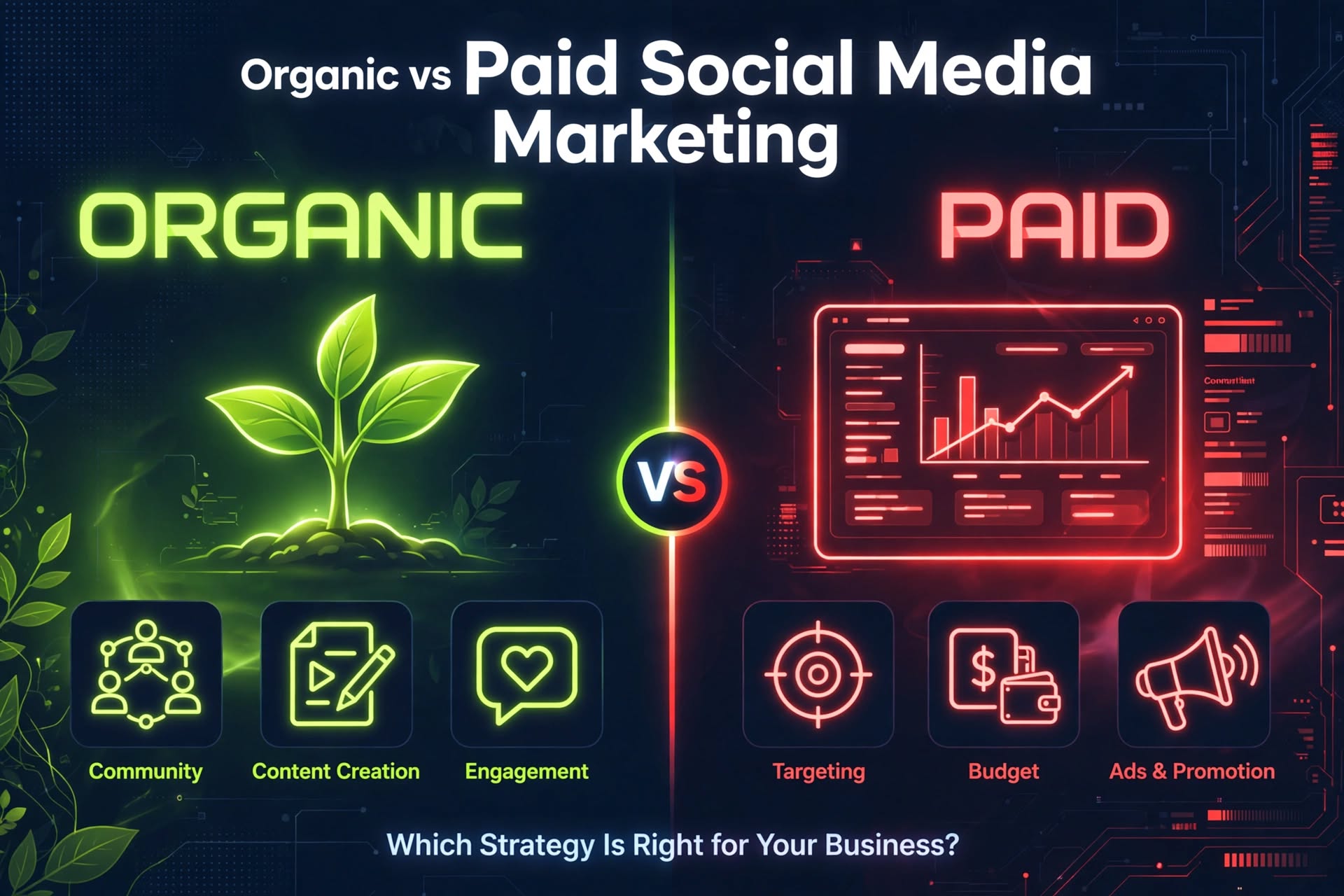
Organic vs. Paid Social Media Marketing: Which Strategy Is Right for Your Business?
Organic vs. Paid Social Media Marketing: Which Strategy Is Right for Your Business? Introduction Social media marketing has become an important part of growing a business online. Platforms such as Facebook, Instagram, YouTube, TikTok, and LinkedIn give businesses opportunities to connect with audiences, promote products, share useful information, and build brand awareness. However, not every business uses social media in the same way. Some focus on organic content, while others invest in paid advertising. Many businesses combine both approaches to support their marketing goals. So, what is the difference between organic and paid social media marketing? Which approach is better for your business? In this guide, we will explain how both strategies work, compare their advantages and limitations, and show you how to choose an approach that fits your goals and budget. What Is Organic Social Media Marketing? Organic social media marketing involves publishing content and interacting with audiences without paying directly to distribute each post through advertising. Common examples include: - Publishing regular social media posts. - Creating educational videos and Reels. - Sharing Stories and behind-the-scenes content. - Responding to comments and messages. - Participating in relevant conversations. - Building a community around your brand. - Sharing useful information about your products or services. The main purpose of organic marketing is to develop a recognizable presence, build relationships, and provide value to your audience over time. For example, a clothing business might publish styling ideas, product care tips, and new collection updates. A digital marketing agency might share tutorials about SEO, advertising, and content creation. Organic marketing can be started with a relatively small budget, although it still requires time, planning, creative work, and consistent effort. Advantages of Organic Social Media Marketing 1. Builds Brand Identity Regular, relevant content helps audiences understand your business, products, values, and expertise. 2. Encourages Genuine Engagement Useful content can encourage people to ask questions, share experiences, and participate in conversations with your brand. 3. Supports Long-Term Relationships Consistent communication can help you develop trust with your audience over time. 4. Provides Opportunities to Learn Comments, questions, shares, and other interactions can reveal what your audience finds helpful. 5. Offers a Lower Advertising Entry Cost You can publish organic content without paying for every impression. However, content production and management still require resources. Limitations of Organic Social Media Marketing Organic reach is not guaranteed. Your content may reach only a portion of your existing audience, and visibility can change according to platform algorithms, competition, content relevance, and viewer behavior. Building an audience can also take time. Businesses that need immediate exposure may find organic content alone insufficient for their short-term objectives. What Is Paid Social Media Marketing? Paid social media marketing involves paying a platform to distribute advertising content to selected audiences. Businesses commonly use advertising tools offered by platforms such as Meta, YouTube, TikTok, and LinkedIn, depending on their objectives and eligibility. Paid campaigns may focus on: - Increasing awareness of a brand. - Reaching relevant potential customers. - Promoting products or services. - Driving website traffic. - Generating leads. - Encouraging purchases or other conversions. For example, an online store might run an Instagram or Facebook advertising campaign to introduce a new product to people who may be interested in it. Paid marketing provides more control over campaign budgets, audience settings, placements, and optimization options, although the available features differ across platforms. Advantages of Paid Social Media Marketing 1. Potentially Faster Exposure Advertising can introduce your content to audiences beyond your existing followers while the campaign is active. 2. Audience Targeting Options Depending on the platform, you may be able to select audiences using location, interests, demographics, or other permitted targeting options. 3. Budget Control Many advertising platforms allow businesses to set campaign budgets and adjust spending based on performance. 4. Measurable Campaign Performance Advertising dashboards can provide information about impressions, clicks, conversions, and other metrics, depending on the campaign setup. 5. Support for Specific Business Objectives Paid campaigns can be designed around objectives such as website visits, qualified leads, or purchases. Limitations of Paid Social Media Marketing Paid advertising requires financial investment, and results are not guaranteed. Campaigns may generate impressions or clicks without producing sales. Performance depends on factors such as the offer, audience, creative quality, competition, landing page, pricing, and campaign configuration. Businesses must also monitor spending, evaluate performance, and follow advertising policies. Increasing the budget without understanding the results can waste money. Organic vs. Paid Social Media Marketing: Key Differences Although both approaches support social media marketing, they differ in several important ways. 1. Cost Organic marketing does not require direct payment for each post's distribution, but content creation and management still have costs. Paid marketing requires an advertising budget in addition to the resources needed to prepare and manage campaigns. 2. Reach Organic reach depends on factors such as audience interest, platform distribution, and content performance. Paid campaigns can provide additional distribution through advertising placements, subject to platform rules, campaign settings, and available inventory. 3. Speed Organic marketing often requires consistent effort before a business develops meaningful visibility. Paid advertising can deliver exposure while a campaign runs, but profitable or meaningful outcomes may still take testing and optimization. 4. Audience Relationships Organic content provides opportunities to build ongoing conversations and a recognizable brand presence. Paid advertising can introduce a business to new audiences, but the business still needs useful content, a relevant offer, and a good customer experience to build lasting relationships. 5. Measurement Organic analytics can help you understand content performance and audience interactions. Paid advertising dashboards provide additional campaign-level metrics, including delivery and conversion data when tracking is correctly configured. Both approaches benefit from clear objectives and regular performance reviews. Which Strategy Is Better for Small Businesses? There is no single answer for every business. The right strategy depends on your available budget, business model, audience, and objectives. When Organic Marketing May Be a Good Starting Point Consider prioritizing organic content if: - Your advertising budget is limited. - You are still learning about your target audience. - You want to establish your brand identity. - You can consistently create useful content. - You want to answer common customer questions. - You need to understand which topics interest your audience. A new business can begin by optimizing its social media profiles, publishing helpful posts, responding to questions, and reviewing engagement. When Paid Advertising May Be Useful Consider paid campaigns if: - You have a clearly defined marketing objective. - Your product or service is ready to promote. - You have identified an appropriate target audience. - You can afford to test advertising without risking essential business expenses. - Your website or landing page provides a clear customer experience. - You can measure relevant outcomes. Paid advertising should be treated as an investment to evaluate, not a guarantee of revenue. Why Combining Organic and Paid Marketing Can Work For many businesses, combining organic and paid strategies provides a practical approach. Organic content helps establish your brand, answer questions, demonstrate expertise, and maintain a consistent presence. Paid campaigns can help distribute selected messages to relevant audiences. For example, a digital marketing agency could publish educational posts about common advertising mistakes. After identifying a useful topic, it might promote a relevant resource through a permitted advertising campaign. An online store could share product demonstrations and customer FAQs organically while using paid campaigns to promote a specific collection. The important point is to ensure that both approaches support the same business objectives. How to Build a Social Media Marketing Strategy Step 1: Define Your Goal Decide whether your priority is awareness, engagement, website traffic, lead generation, or sales. Choose an objective that matches your business needs. Step 2: Understand Your Audience Identify the people you want to reach, their interests, their challenges, and the platforms they use. Step 3: Create Valuable Content Publish content that educates, informs, entertains, or helps your audience make decisions. Avoid making every post a direct sales message. Step 4: Choose the Right Platforms Focus on platforms that suit your audience and content format. You do not need to maintain an active presence on every social network. Step 5: Set a Realistic Budget If you use paid advertising, establish a budget you can afford and define what success would look like before launching a campaign. Step 6: Track Performance Review relevant metrics, such as reach, engagement, website visits, qualified inquiries, and conversions. Use analytics tools and properly configured tracking where available. Step 7: Improve Your Strategy Identify what works, test reasonable changes, and adjust your approach using evidence rather than assumptions. Common Social Media Marketing Mistakes to Avoid Expecting Instant Results Both organic and paid marketing require realistic expectations. Exposure does not automatically translate into sales. Focusing Only on Likes Likes may indicate interaction, but they do not necessarily demonstrate customer interest or business success. Ignoring Content Quality Paid distribution cannot fully compensate for unclear messaging, irrelevant content, or a poor customer experience. Spending Without a Goal Advertising without a defined objective makes it difficult to evaluate whether the investment is useful. Ignoring Analytics Regular performance reviews help you identify opportunities and avoid repeating ineffective approaches. Using Misleading Promotional Claims Accurate messaging helps establish trust and sets reasonable expectations. Ignoring Platform Policies Review the relevant social network's rules for advertising, automation, and engagement-related activities. Frequently Asked Questions Is organic social media marketing free? Publishing organic content generally does not require paying for advertising distribution. However, content creation, design, software, and management may still involve costs. Is paid social media marketing better than organic marketing? Neither is universally better. The right choice depends on your goals, budget, audience, timeline, and ability to measure results. Can a small business start with organic marketing? Yes. A small business can begin by optimizing its profiles, publishing useful content, answering customer questions, and learning from audience feedback. Does paid advertising guarantee sales? No. Results depend on the offer, audience, creative content, competition, landing page, and other factors. Should a business use both strategies? Combining organic content and paid advertising can be useful when both support clear objectives and the business has the resources to manage them effectively. How can I measure social media marketing success? Choose metrics based on your goals. Brand awareness may involve reach, while lead generation and sales require more direct measures of inquiries, conversions, or revenue where tracking is available. Conclusion Organic and paid social media marketing are different approaches that can support the same broader business objectives. Organic marketing helps businesses publish useful content, develop their brand identity, and build relationships with audiences over time. Paid marketing offers additional distribution and campaign controls, but requires careful budgeting, monitoring, and evaluation. For many businesses, a balanced approach can be effective: build a strong organic foundation, understand your audience, and use paid promotion when it supports a clearly defined objective. At SMMMarkets, our goal is to help users explore social media marketing services and improve their understanding of digital marketing. Continue exploring our blog for practical guides, marketing insights, and resources that support informed decisions. Start with clear goals, create content that serves your audience, measure meaningful results, and improve your strategy over time.

YouTube Marketing for Beginners: How to Grow Your Channel and Reach the Right Audience
YouTube Marketing for Beginners: How to Grow Your Channel and Reach the Right Audience Introduction YouTube is one of the most widely used platforms for sharing videos, learning new skills, discovering products, and building online communities. For businesses, content creators, and digital marketers, it offers opportunities to reach audiences through educational videos, entertainment, product demonstrations, tutorials, and other useful content. However, building a successful YouTube channel takes more than uploading videos. Creators need a clear content strategy, engaging presentation, effective titles and thumbnails, and an understanding of what viewers want. In this beginner-friendly guide, you will learn how YouTube marketing works, how to optimize your channel, improve video discoverability, understand analytics, and develop a practical strategy for long-term growth. What Is YouTube Marketing? YouTube marketing is the process of using YouTube to promote a brand, product, service, business, or personal channel. It can include organic activities, such as publishing videos, optimizing metadata, engaging with viewers, and creating playlists. It can also include paid advertising through YouTube's advertising options. Businesses may use YouTube to demonstrate products, explain services, answer customer questions, and build brand awareness. Creators may use it to share knowledge, entertain viewers, develop a community, or earn revenue through eligible monetization methods. The right approach depends on your audience, goals, resources, and type of content. 1. Define Your YouTube Marketing Goals Before creating videos, decide what you want your channel to achieve. Your goals might include: - Building brand awareness. - Educating viewers about a specific topic. - Reaching people interested in your products or services. - Driving relevant traffic to a website. - Generating qualified leads. - Developing a loyal audience. - Qualifying for available monetization programs. Different goals require different strategies. A business seeking customer inquiries may prioritize relevant viewers and website conversions, while an educational creator may focus on watch time, returning viewers, and audience satisfaction. Choose a clear primary goal and use relevant metrics to evaluate your progress. 2. Choose a Clear Channel Niche A channel niche describes the main topic or audience your content serves. Examples include: - Technology and software tutorials. - Digital marketing education. - Gaming and entertainment. - Educational content. - Product reviews and demonstrations. - Cooking and lifestyle. - Business and entrepreneurship. Choosing a focused niche helps you plan related videos and communicate what viewers can expect from your channel. You do not need to cover every possible topic. Start with subjects you understand, topics your audience cares about, and ideas you can explore consistently. Before committing to a niche, consider the audience's interests, competition, available content opportunities, and your ability to create original videos. 3. Understand Your Target Audience Successful YouTube marketing begins with understanding your intended viewers. Ask yourself: - Who is most likely to watch my videos? - What questions do they want answered? - Which problems can my content help solve? - What level of knowledge do they already have? - Which video formats suit their needs? - What would make them choose my video over another? For example, a digital marketing channel might publish beginner tutorials about SEO, social media advertising, content creation, and analytics. A technology channel might focus on software comparisons, product demonstrations, and practical troubleshooting guides. When you understand your audience, you can create videos that offer genuine value rather than publishing without a clear purpose. 4. Research Video Topics and Keywords Keyword research helps you understand how people describe the subjects they want to learn about. Start by listing questions related to your niche. Explore YouTube search suggestions, relevant search results, comments, and common questions from your audience. You can also use suitable keyword research tools to identify related search terms and topic opportunities. For example, a channel about YouTube marketing might investigate topics such as: - YouTube SEO for beginners. - How to create a YouTube thumbnail. - How to improve audience retention. - YouTube channel optimization. - How to read YouTube Analytics. Choose topics that match your audience's needs and your channel's focus. Do not rely on search volume alone. A topic should also be relevant, useful, and realistic for you to cover well. 5. Create High-Quality and Valuable Videos Content quality is an important part of YouTube marketing. A video does not need an expensive studio to be useful, but it should communicate its message clearly. Focus on the following elements: A Clear Opening Explain the topic or introduce the main benefit early. Avoid unnecessarily long introductions that delay the information viewers came to find. Useful Information Deliver on the promise made by your title and thumbnail. Organize the video around a clear question, demonstration, story, or lesson. Clear Audio and Visuals Use understandable audio, readable text, appropriate lighting, and visuals that support the content. Logical Structure Break longer videos into clear sections. Use examples and demonstrations when they make the subject easier to understand. A Meaningful Ending Summarize the main lesson and suggest a relevant next step, such as watching a related video or exploring a useful resource. The best video format depends on the topic. Tutorials, interviews, demonstrations, reviews, educational explainers, and short videos can all serve different purposes. 6. Optimize Your YouTube Video Titles Your video title helps viewers understand what the content offers. It should be clear, relevant, and accurate. For example, instead of using a vague title such as "My New Video," a creator might use: "YouTube SEO for Beginners: A Step-by-Step Guide" This title tells viewers the topic and intended audience. When writing titles: - Describe the video's main subject. - Include a relevant keyword naturally when appropriate. - Make the value clear. - Avoid misleading claims. - Keep the wording concise enough to understand quickly. - Ensure the video actually delivers what the title promises. There is no single title formula that guarantees high rankings or views. Test different approaches and evaluate the results. 7. Design Attractive and Accurate Thumbnails A thumbnail gives viewers a visual preview of your video and can influence whether they decide to watch it. Effective thumbnails generally communicate one main idea clearly. Consider these principles: - Use readable text only when it adds value. - Choose visuals that match the video's topic. - Maintain sufficient contrast. - Avoid clutter and excessive design elements. - Use consistent branding when appropriate. - Make sure the thumbnail accurately represents the content. For example, a tutorial about improving video editing might use a clear editing-screen image and a short headline such as "EDIT FASTER." Avoid deceptive thumbnails that promise something the video does not contain. A strong thumbnail can help attract relevant viewers, but it cannot compensate for content that fails to meet their expectations. 8. Understand YouTube SEO YouTube SEO involves helping the platform and viewers understand your video so that it can be discovered through relevant search and recommendation experiences. Important areas include: Video Title Use an accurate title that describes the subject clearly. Description Write a helpful description explaining what viewers will learn. Include relevant terms naturally rather than repeating keywords unnecessarily. Relevant Keywords Use topic-related words where they genuinely describe the content. Avoid keyword stuffing. Chapters For eligible videos, timestamps and chapters can help viewers navigate longer content. Playlists Organize related videos into useful playlists so viewers can find more content about a subject. Captions Accurate captions can improve accessibility and help viewers follow the video. Content Quality Metadata is only one part of discoverability. The relevance and usefulness of the video, viewer behavior, competition, and other platform systems can also influence distribution. No SEO technique can guarantee a particular ranking or number of views. 9. Maintain a Consistent Upload Schedule Consistency helps you organize production and set realistic expectations for your audience. You do not need to upload every day to begin. Choose a schedule that fits your time, resources, and content format. For example, you might publish one well-researched video each week and create additional short videos when they support your strategy. A content calendar can help you plan: - Video topics. - Research and scripting. - Recording and editing. - Thumbnail creation. - Publishing dates. - Related social media posts. - Performance reviews. A sustainable schedule is generally more practical than an ambitious schedule that leads to rushed or inconsistent content. 10. Promote Your Videos Responsibly Publishing a video is only one part of a marketing strategy. Relevant promotion can help introduce your content to people who may find it useful. Consider these methods: Social Media Sharing Share your video on relevant social platforms when the content matches the interests of those audiences. Website and Blog Integration Embed appropriate videos in related articles or resource pages where they provide additional value. Email Newsletters If you have an audience that has agreed to receive your emails, share relevant videos with them. Community Participation Answer relevant questions in communities where you can contribute genuinely useful information. Follow each community's rules and avoid repetitive self-promotion. Collaborations Work with creators or businesses whose audiences and topics align with yours. Promotion should focus on reaching relevant viewers rather than generating artificial activity. 11. Use YouTube Analytics to Measure Performance YouTube Analytics helps creators understand how viewers discover and interact with their content. The most useful metrics depend on your goals. Impressions Impressions provide information about how often eligible thumbnails are shown on YouTube surfaces under the platform's metric definition. Click-Through Rate Impressions click-through rate measures the percentage of counted impressions that resulted in a video view. Interpret it alongside traffic sources, impressions, and other metrics. Views Views help you understand how often your content is watched according to YouTube's counting rules. Watch Time Watch time measures the amount of time viewers spend watching your content. Audience Retention Audience retention helps you identify which parts of a video keep viewers watching and where viewers tend to leave. Traffic Sources Traffic source reports help you understand whether viewers discover your content through YouTube Search, suggested videos, external links, or other sources. Subscribers Review how your channel gains or loses subscribers over time and which videos contribute to those changes. Avoid judging performance using one metric alone. A video with fewer views may still attract a highly relevant audience or generate valuable business inquiries. Use analytics to identify patterns, test improvements, and make evidence-based decisions. 12. Common YouTube Marketing Mistakes to Avoid Choosing Topics Without Audience Research Videos are more likely to serve viewers when they address relevant questions, interests, or needs. Using Misleading Titles and Thumbnails Misleading packaging can disappoint viewers and damage trust. Ignoring Audio Quality Poorly understandable audio can make even useful information difficult to follow. Neglecting Video Structure Long introductions, unclear explanations, and unnecessary repetition can make content harder to watch. Uploading Without Reviewing Performance Analytics can reveal opportunities to improve topics, presentation, packaging, and viewer experience. Copying Other Creators Learn from successful channels, but develop original scripts, visuals, and ideas. Obtain the necessary rights before using third-party material. Expecting Instant Results Channel growth varies widely. Competition, content quality, audience interest, consistency, and many other factors influence results. Avoid guaranteed-growth promises and focus on improving the viewer experience over time. 13. A Simple 30-Day YouTube Marketing Plan If you are starting from scratch, use this four-week framework to organize your work. Week 1: Build Your Foundation - Define your channel niche. - Identify your target audience. - Research common questions and topics. - Review relevant competing content. - Create a list of potential video ideas. - Prepare your channel branding and description. Week 2: Produce Your First Videos - Select useful topics. - Write clear scripts or outlines. - Record and edit your videos. - Create accurate titles and thumbnails. - Write helpful descriptions. - Publish according to a realistic schedule. Week 3: Improve Discoverability - Review video metadata. - Organize related content into playlists. - Share videos with relevant audiences. - Respond to genuine viewer comments. - Identify questions that could become future videos. Week 4: Review and Refine - Review YouTube Analytics. - Compare performance across similar videos. - Examine audience retention. - Identify useful topics and formats. - Improve future titles, thumbnails, and video structure. - Plan your next month of content. This plan is a starting point, not a guarantee of growth. Adapt it to your resources, niche, and audience. Frequently Asked Questions How can beginners start YouTube marketing? Choose a clear niche, understand your audience, create useful videos, optimize titles and descriptions, design accurate thumbnails, and review analytics regularly. How often should I upload YouTube videos? There is no universal upload frequency. Choose a sustainable schedule that allows you to maintain content quality and consistency. Does YouTube SEO guarantee more views? No. SEO can help communicate what your video is about, but views depend on multiple factors, including relevance, competition, viewer behavior, and platform distribution. Are thumbnails important for YouTube growth? Thumbnails help viewers understand a video's subject and can influence their decision to watch. They should accurately represent the content. What is audience retention? Audience retention shows how viewers continue watching a video over time. It can help identify sections that engage viewers or need improvement. Can YouTube marketing help a business generate customers? Yes, YouTube can support brand awareness, education, product discovery, and customer acquisition. Actual outcomes depend on the audience, offer, content, and overall marketing strategy. Can buying views guarantee channel growth? No. Artificial or inauthentic engagement may violate YouTube policies and does not guarantee genuine viewers, customer interest, or sustainable growth. Conclusion YouTube marketing is an ongoing process of understanding your audience, creating useful content, improving discoverability, and learning from performance data. Start with a clear niche and realistic goals. Develop videos that answer genuine questions, use accurate titles and thumbnails, organize your content effectively, and review analytics to identify opportunities for improvement. Avoid shortcuts that promise guaranteed views or subscribers. Sustainable progress comes from understanding your audience, improving the quality of your content, and building trust over time. At SMMMarkets, our goal is to help users explore social media marketing services and develop a better understanding of digital marketing. Continue exploring our blog for practical guides, marketing insights, and resources that support informed decisions. Build your strategy around useful content, responsible promotion, and measurable objectives—and give your channel the time it needs to develop.
Instagram Marketing for Beginners: A Complete Guide to Growing Your Audience
Instagram Marketing for Beginners: A Complete Guide to Growing Your Audience Introduction Instagram has become an important platform for businesses, content creators, entrepreneurs, and digital marketers. With visual content, Reels, Stories, and interactive features, it offers multiple ways to introduce a brand, connect with an audience, and promote products or services. However, building a successful Instagram presence requires more than simply publishing photos or videos. You need a clear strategy, consistent content, an understanding of your audience, and a way to measure your results. In this beginner-friendly guide, you will learn how Instagram marketing works, how to optimize your profile, create engaging content, improve discoverability, and build a sustainable marketing strategy. What Is Instagram Marketing? Instagram marketing is the process of using Instagram to promote a business, product, service, personal brand, or content. It can include organic activities, such as publishing Reels and posts, interacting with followers, and sharing Stories. It can also include paid advertising through Meta's advertising tools. The main objectives of Instagram marketing may include: - Increasing brand awareness. - Reaching relevant audiences. - Building relationships with potential customers. - Driving traffic to a website. - Generating qualified leads. - Supporting product sales and customer retention. The right objective depends on your business and audience. Defining your goal before creating content makes it easier to measure whether your efforts are effective. 1. Optimize Your Instagram Profile Your Instagram profile is often one of the first places potential customers visit when discovering your business. A clear and professional profile helps visitors understand who you are and what you offer. Choose a Recognizable Username Use a username that is easy to remember, relevant to your brand, and consistent with your other social media accounts when possible. Avoid unnecessary characters that make your account difficult to find. Use a Clear Profile Picture Businesses can use their logo, while personal brands may use a recognizable professional image. Make sure the image remains clear at a small size. Write a Helpful Bio Your bio should explain what you do, who you help, and what visitors can do next. For example: "Helping small businesses grow online through creative digital marketing. Explore our services and discover practical marketing tips." Adapt the wording to reflect your actual business and services. Add a Relevant Link Use the website field to direct visitors to a relevant landing page, product page, booking page, or business website. Check that the destination works correctly on mobile devices. Use Professional Account Features Consider using an Instagram professional account if its business or creator features suit your needs. Depending on account type and availability, these features may provide access to insights, contact options, and additional management tools. 2. Understand Your Target Audience Effective Instagram marketing begins with understanding the people you want to reach. Consider these questions: - Who is your ideal customer? - What problems are they trying to solve? - Which topics interest them? - What type of content do they prefer? - What questions do they frequently ask? - What would encourage them to trust your business? For example, a clothing business may focus on product styling, sizing information, fabric details, and customer questions. A digital marketing agency may share practical tutorials, campaign insights, and educational content. The more clearly you understand your audience, the easier it becomes to create useful content instead of publishing without a specific purpose. 3. Create a Balanced Content Strategy A strong Instagram content strategy combines different types of content rather than repeating the same promotional message. Consider these content categories: Educational Content Share tutorials, practical tips, checklists, and answers to common questions. Educational content helps your audience understand a topic and gives them a reason to save or share a post. Entertaining Content Use relevant humor, relatable situations, storytelling, and creative videos to make your brand more memorable. Keep the content appropriate for your audience and consistent with your brand identity. Behind-the-Scenes Content Show how your products are prepared, how your team works, or how a service is delivered. Behind-the-scenes content can help people understand the people and processes behind a business. Product or Service Content Explain your products or services, their features, who they are designed for, and how interested customers can learn more. Be accurate about pricing, availability, benefits, and limitations. Customer-Focused Content Answer frequently asked questions, explain common problems, and share genuine customer feedback when you have permission to do so. A balanced content mix can help your account remain useful and interesting without making every post feel like an advertisement. 4. Use Instagram Reels Effectively Reels can help businesses and creators present ideas through short-form video. Their discoverability depends on multiple factors, and reaching a large audience is never guaranteed. To make useful Reels: - Start with a clear idea that interests your target audience. - Communicate the main point early. - Use readable on-screen text when appropriate. - Ensure the audio and visuals are clear. - Focus on one useful tip, question, or story at a time. - Create original content suited to your audience. - Include a relevant call to action when it supports your goal. For example, a digital marketing business could publish a short video explaining three common Instagram profile mistakes. A product business could demonstrate how a product works or answer a frequently asked question. Avoid copying other creators' work without permission. Original, relevant content gives your brand a clearer identity. 5. Write Better Instagram Captions A good caption provides context, communicates value, and helps readers understand what to do next. A simple caption structure is: Opening: Introduce a question, problem, or interesting idea. Main message: Explain the key information in clear language. Call to action: Invite the reader to take one relevant next step. For example: "Want to improve your Instagram content? Start by understanding what your audience finds useful. Share practical tips, answer common questions, and review your account insights to identify which topics perform well. Save this guide and use it when planning your next content calendar." Keep captions relevant to the post. Avoid exaggerated claims, misleading promises, and unnecessary repetition. 6. Use Hashtags and Keywords Strategically Hashtags and relevant words can help describe your content, but neither guarantees reach or ranking. Use natural language in your captions and include terms that accurately reflect the topic of your post. For example, a post about Instagram marketing might naturally mention: - Instagram marketing - Social media strategy - Content creation - Digital marketing tips - Audience engagement When relevant, use a small selection of descriptive hashtags rather than adding a long list of unrelated tags. Focus on relevance and usefulness. Do not assume that a particular hashtag count will automatically improve performance, because platform features and recommendations can change. 7. Maintain a Consistent Posting Schedule Consistency helps you develop a recognizable presence and gives you opportunities to learn what your audience prefers. You do not need to publish several times every day to begin. Start with a realistic schedule that fits your available time and resources. For example, you might publish three quality posts per week and share Stories when you have something useful or relevant to communicate. Review your performance and adjust the schedule as you learn more about your audience. A content calendar can help you organize topics, formats, publishing dates, captions, and creative assets in advance. 8. Improve Audience Engagement Instagram marketing is not only about publishing content. It also involves building relationships with the people who interact with your account. Practical ways to encourage genuine engagement include: - Responding to relevant comments. - Answering customer questions clearly. - Using interactive Story features when appropriate. - Asking meaningful questions in captions. - Participating in relevant conversations. - Acknowledging genuine feedback. - Creating content based on recurring audience questions. Avoid spam, misleading engagement tactics, and unsolicited repetitive messages. Meaningful interactions can help you understand your audience and improve the quality of your content over time. 9. Use Instagram Insights to Measure Performance Publishing content without reviewing its performance makes it difficult to understand what is working. Where available, use Instagram Insights or other appropriate analytics tools to monitor relevant metrics. Reach Reach indicates how many unique accounts saw your content, according to the platform's metric definition. Views and Plays These metrics help you understand how video content is being consumed. Their definitions may differ by content type and platform updates. Engagement Review relevant interactions, such as likes, comments, saves, and shares. Profile Activity Check whether content encourages people to visit your profile or take other available actions. Website Clicks and Conversions If your goal is to generate website traffic or sales, measure link clicks and meaningful conversions where tracking is available and configured correctly. Do not judge success using one metric alone. A post with fewer views may still attract valuable inquiries or relevant website visitors. Compare similar content over time and use the results to improve your strategy. 10. Consider Instagram Advertising Organic content is not the only way to promote a business on Instagram. Eligible businesses can also explore paid advertising through Meta's advertising tools. Depending on campaign objectives and available features, advertising may help businesses reach selected audiences, promote products, generate leads, or drive website visits. Before launching a campaign: 1. Define a specific objective. 2. Identify an appropriate audience. 3. Prepare creative assets that suit the placement. 4. Set a budget you can afford. 5. Ensure your landing page works properly. 6. Configure suitable tracking where possible. 7. Review results and adjust the campaign based on evidence. Advertising does not guarantee sales or positive returns. Results depend on the offer, audience, creative quality, competition, landing page, and other factors. Start with a clear measurement plan rather than increasing spending simply because a campaign receives likes or views. 11. Common Instagram Marketing Mistakes to Avoid Beginners often make avoidable mistakes when developing their accounts. Posting Without a Clear Goal Every post does not need to sell something, but your overall content strategy should have a purpose. Focusing Only on Follower Numbers A large follower count does not automatically translate into relevant engagement, customer trust, or sales. Focus on reaching the right people and measuring outcomes that matter to your objectives. Ignoring Audience Questions Questions and feedback can reveal what your audience wants to understand. Use these insights to create more helpful content. Using Misleading Claims Avoid promising guaranteed results, unrealistic business outcomes, or benefits you cannot substantiate. Neglecting Analytics Reviewing performance helps you understand which topics and formats deserve further attention. Ignoring Account Security Use a strong, unique password and enable available security protections. Never share verification codes with third parties. Copying Content Without Permission Develop your own ideas and creative assets, or ensure you have the necessary rights to use third-party material. Avoiding these mistakes creates a stronger foundation for sustainable Instagram marketing. 12. A Simple 30-Day Instagram Marketing Plan If you are new to Instagram marketing, use this four-week framework to organize your efforts. Week 1: Build Your Foundation - Optimize your profile and bio. - Define your target audience. - Choose a clear marketing objective. - Research relevant audience questions. - Prepare your first content calendar. Week 2: Publish Useful Content - Share educational posts. - Experiment with relevant Reels. - Publish content that answers common questions. - Use clear captions and relevant keywords. - Respond to genuine comments and messages. Week 3: Improve Engagement - Review audience feedback. - Create content around frequently asked questions. - Experiment with different relevant formats. - Share appropriate behind-the-scenes content. - Review available account insights. Week 4: Measure and Refine - Identify your most useful or effective content. - Compare performance against your original objective. - Review profile activity and relevant conversions. - Identify topics that deserve more attention. - Plan the next month's content based on your findings. This is a starting framework, not a guarantee of growth. Adapt it to your business, resources, and audience. Frequently Asked Questions How can beginners start Instagram marketing? Begin by optimizing your profile, defining your target audience, choosing a marketing objective, and publishing useful, relevant content consistently. How often should I post on Instagram? There is no single schedule that works for every account. Start with a realistic publishing frequency and adjust it using audience feedback and performance data. Do hashtags guarantee more reach? No. Hashtags may help describe content, but they do not guarantee visibility or engagement. Are Instagram Reels important for marketing? Reels are one useful content format for sharing short videos and reaching potential audiences. Their effectiveness depends on the content, audience, and other factors. Should a business use Instagram advertising? Advertising may be appropriate when a business has a clear objective, a suitable offer, an appropriate audience, and a plan for measuring results. How can I measure Instagram marketing success? Choose metrics based on your objective. These might include relevant engagement, profile activity, website visits, qualified inquiries, or conversions. Can follower growth guarantee more sales? No. Sales depend on many factors, including customer needs, product quality, pricing, trust, and the buying experience. Conclusion Instagram marketing is most effective when it is approached as an ongoing process of understanding your audience, creating valuable content, building genuine relationships, and learning from performance data. Start with a clear objective, optimize your profile, experiment with relevant content formats, and measure the results that matter to your business. Avoid shortcuts that promise guaranteed growth, and prioritize authentic engagement, responsible marketing, and account security. At SMMMarkets, we believe that informed decisions and a clear marketing strategy are important parts of exploring social media services. Review the available options carefully and choose an approach that aligns with your goals, budget, and the applicable platform policies. Ready to improve your social media marketing knowledge? Continue exploring the SMMMarkets blog for practical guides, marketing insights, and helpful resources for your digital growth journey.
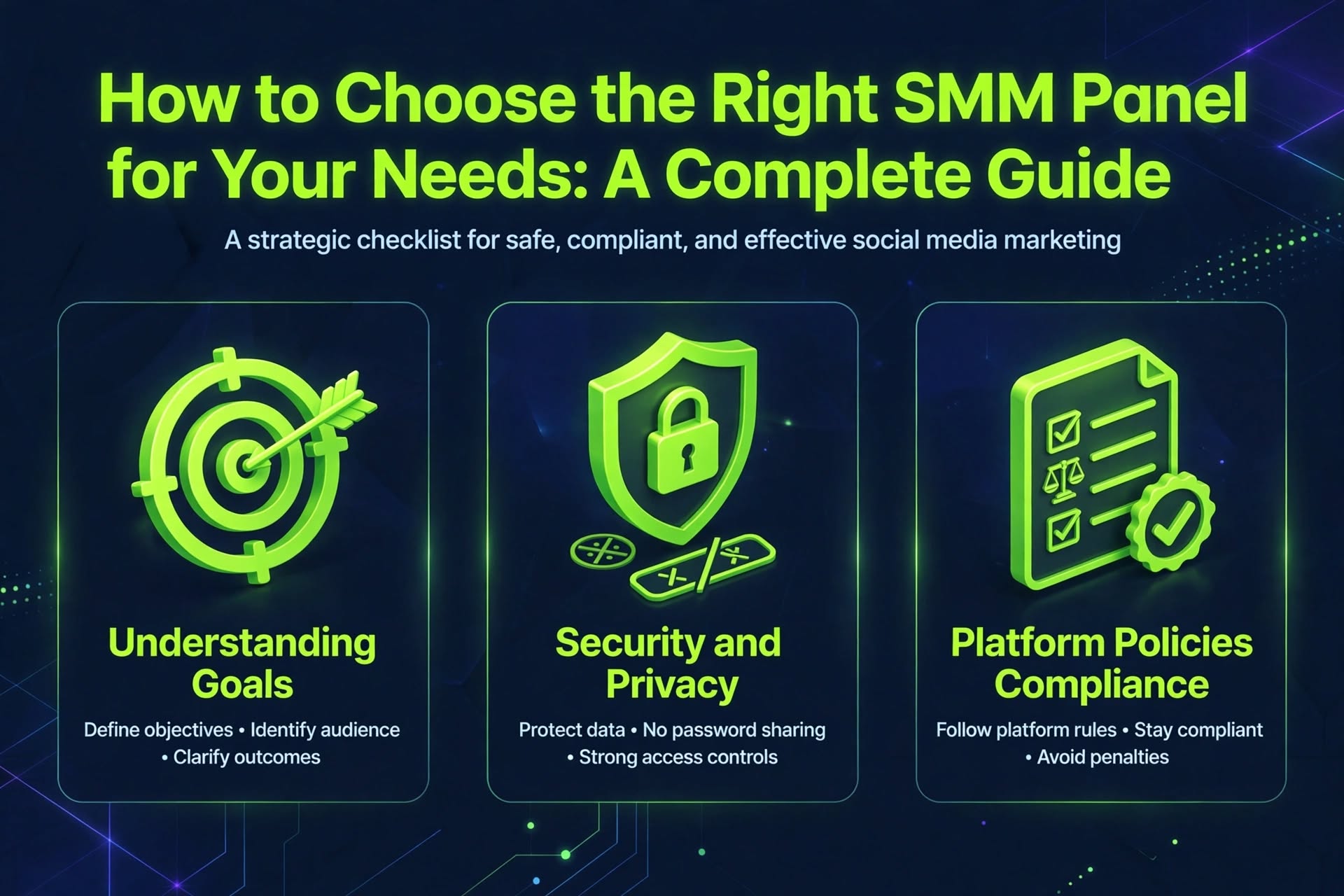
How to Choose the Right SMM Panel for Your Needs: A Complete Guide
How to Choose the Right SMM Panel for Your Needs: A Complete Guide Introduction Choosing the right SMM panel can be an important decision for businesses, content creators, digital marketers, and marketing agencies exploring social media services. With different providers offering different services, prices, and features, it is important to understand what to look for before making a purchase. A low price alone does not necessarily mean a service is reliable, and a professional-looking website does not automatically guarantee quality. The best choice depends on your goals, budget, security requirements, and the service provider's transparency. In this guide, we will explain the key factors to consider when choosing an SMM panel and how to make a more informed decision. 1. Understand Your Social Media Marketing Goals Before comparing providers, define what you want to achieve. Are you trying to introduce your content to a relevant audience? Organize social media service orders? Support a broader promotional campaign? Or manage marketing activities for several clients? Your objectives will help you identify which features and services are relevant. Without a clear goal, it can be easy to spend money on services that do not contribute to your actual marketing needs. Start with a specific objective and a realistic budget. 2. Check the Available Services Different SMM panels may offer different service categories and support different social media platforms. Before registering or placing an order, review the service catalog carefully. Check whether the services are relevant to your needs and whether their descriptions explain what is included. Look for clear information about requirements, delivery estimates, limitations, and possible restrictions. Never assume that every provider offers the same services or that every service is suitable for every account. 3. Compare Pricing Transparently Pricing is an important consideration, but it should not be the only factor in your decision. When comparing SMM panels, review the total cost, minimum order quantity, payment requirements, and any additional fees. Understand what you are paying for before confirming an order. Extremely low prices combined with vague descriptions or unrealistic promises deserve additional scrutiny. A sensible approach is to compare several providers, evaluate their terms, and choose an option that fits your budget without ignoring important quality and security considerations. 4. Evaluate Customer Support Good customer support can make it easier to resolve questions about services, payments, and order status. Before choosing a provider, check how support can be contacted and whether the website explains its support process. Look for clear instructions, reasonable expectations about response times, and a process for reporting order problems. Do not assume that a provider offers 24/7 support unless it explicitly confirms this. 5. Review Refund and Cancellation Policies Before making a payment, read the provider's terms carefully. Check whether orders can be cancelled, which situations qualify for a refund, and how disputes are handled. Also review the policy for incomplete, delayed, or unsuccessful orders. Clear policies help users understand their options before spending money. If important conditions are missing or difficult to understand, ask for clarification before proceeding. 6. Prioritize Account Security and Privacy Account security should always be a priority when using third-party marketing services. Never share your social media password, one-time verification codes, or recovery credentials with an SMM panel. Check what information a provider requires, how your data may be used, and whether its privacy policy is available. Be cautious about unnecessary permissions, suspicious payment requests, and websites that ask for sensitive information unrelated to the service. Protecting your account is more important than saving a small amount of money. 7. Understand Delivery Estimates and Service Limitations Some services may begin quickly, while others may take longer depending on the provider, platform, and order requirements. Read the estimated delivery time and any stated limitations before placing an order. Remember that an estimate is not necessarily a guarantee. Delays, changes in platform systems, and other factors may affect results. Avoid providers that promise guaranteed viral reach, permanent engagement, or specific business outcomes without credible evidence. 8. Check Platform Policies Social media platforms have their own rules governing automation, artificial engagement, account access, and promotional activities. Before using any third-party service, review the relevant platform's policies and consider the potential risks to your account. Services that violate platform rules may expose accounts to restrictions or other consequences. For sustainable marketing, prioritize original content, authentic audience engagement, appropriate advertising methods, and compliance with platform guidelines. 9. Look for a Clear and Professional Website A clear website makes it easier to understand what a provider offers. Useful features may include understandable service descriptions, transparent pricing, accessible terms and privacy information, clear support instructions, and a straightforward order history. A professional website can improve the user experience, but appearance alone does not prove that a provider is trustworthy. Always review the actual terms and available evidence. 10. Start Carefully and Evaluate Results Once you have evaluated a provider, avoid committing a large budget before understanding how its services work. Where appropriate, begin with a modest purchase that you can afford, follow the provider's terms, and assess the experience against your expectations. Keep records of payments and orders. Review the outcome and decide whether the service is suitable for your needs. Remember that social media growth depends on many factors, including content quality, audience relevance, competition, and platform algorithms. Common Mistakes to Avoid When Choosing an SMM Panel Choosing a provider only because it is inexpensive. Believing every promotional claim without checking the details. Ignoring refund policies and service limitations. Sharing passwords or verification codes. Spending money without defining a clear objective. Assuming that an increase in engagement automatically produces sales or long-term growth. Ignoring the rules of the relevant social media platform. Avoiding these mistakes can help you make more careful purchasing decisions. Why a Long-Term Marketing Strategy Matters An SMM panel should not be treated as a replacement for a complete social media marketing strategy. Businesses and creators should focus on understanding their audiences, producing useful content, maintaining a consistent publishing schedule, responding to genuine questions, and measuring meaningful performance indicators. When paid promotion is appropriate, use advertising methods permitted by the relevant platform and evaluate results against clearly defined goals. Combining careful service selection with strong marketing fundamentals creates a more thoughtful approach to online growth. Frequently Asked Questions What is the most important factor when choosing an SMM panel? There is no single factor for every user. Service transparency, security, pricing, customer support, refund terms, and platform compliance should all be considered. Should I always choose the cheapest SMM panel? No. Compare the complete service details, limitations, policies, and costs rather than choosing solely on price. How can I protect my social media account? Never share passwords or verification codes, review permissions carefully, use strong authentication, and avoid services that request unnecessary access. Can an SMM panel guarantee results? No provider can reliably guarantee viral reach, permanent engagement, sales, or long-term growth. Results depend on many factors outside the provider's control. Is customer support important? Yes. Clear support channels and understandable procedures can help users resolve questions about payments, services, and order status. Can an SMM panel replace organic marketing? No. Original content, genuine audience relationships, audience research, and a consistent marketing strategy remain important for sustainable progress. Conclusion Choosing the right SMM panel requires careful research rather than relying on price or promotional claims alone. Define your goals, compare available services, review policies, protect your account, and make sure you understand the limitations before placing an order. At SMMMarkets, our goal is to help users explore social media marketing services and make informed decisions. Review the available options, understand the relevant terms, and choose services that align with your specific requirements. A thoughtful approach to social media marketing starts with clear goals, realistic expectations, and responsible decision-making.
What Is an SMM Panel? A Complete Beginner’s Guide to Social Media Marketing
What Is an SMM Panel? A Complete Beginner’s Guide to Social Media Marketing Introduction Social media has transformed the way businesses, creators, and brands connect with their audiences. Platforms such as Instagram, Facebook, YouTube, and TikTok offer opportunities to share content, build communities, promote products, and develop an online presence. As the demand for social media marketing grows, many people come across a tool known as an SMM panel. Whether you are a business owner, digital marketer, content creator, or agency professional, understanding how an SMM panel works can help you make more informed decisions. In this guide, we will explain what an SMM panel is, how it works, who may use one, and what to consider before choosing a service provider. What Is an SMM Panel? SMM stands for Social Media Marketing. An SMM panel is an online platform that allows users to browse and order social media-related services through a centralized dashboard. Depending on the provider, these services may cover different social media platforms and promotional activities. A panel typically displays service descriptions, prices, order requirements, and progress updates in one place. Instead of managing every order separately, users can use a single dashboard to explore available services and manage their purchases. However, an SMM panel is a service management tool, not a guarantee of popularity, engagement, sales, or long-term social media growth. Results vary according to the service, platform, audience, and other factors. How Does an SMM Panel Work? The process varies by provider, but most SMM panels follow a straightforward workflow. 1. Create an Account Users register on the platform and review its terms, privacy information, and available payment options. 2. Browse Available Services After logging in, users can explore categories and compare services relevant to their marketing needs. Each service should have a clear description and order requirements. 3. Review Pricing and Requirements Before placing an order, users should check the price, minimum order quantity, estimated delivery time, service limitations, and refund policy. 4. Place an Order Once a suitable service has been selected, users follow the provider's instructions to submit the order. Only the information necessary for the selected service should be provided. Never share account passwords or verification codes. 5. Track Order Progress Users can check the order status through the dashboard, where supported, and contact customer support if they need clarification or assistance. Understanding these steps helps users navigate a panel more confidently and avoid common mistakes. Who Can Use an SMM Panel? SMM panels may be explored by different types of users, depending on their needs and the services available. Small Business Owners Businesses may investigate social media services as part of their broader promotional activities. A clear marketing objective and a good understanding of the target audience are important when selecting any service. Digital Marketers Digital marketing professionals may use centralized dashboards to organize selected service orders while managing other campaign activities. Content Creators Creators may explore promotional options to help introduce their content to a wider audience. However, sustainable growth also depends on content quality, consistency, and genuine audience interest. Marketing Agencies Agencies may evaluate service platforms to organize workflows and manage selected marketing-related tasks. Before using any third-party provider for a client, agencies should review its quality standards, policies, and limitations. Why Do People Use SMM Panels? One reason people explore SMM panels is convenience. A centralized interface can make it easier to compare service options, review prices, and track orders. Other potential advantages include: Centralized Management: Browse available services and manage supported orders from one dashboard. Service Comparison: Review different options and their stated requirements before making a decision. Budget Planning: Compare prices and choose services according to a defined budget. Order Tracking: Check order progress through the features provided by the platform. Time Management: A structured dashboard can simplify certain administrative tasks. The actual benefits depend on the provider and service. Users should evaluate each option carefully rather than assuming every service delivers the same results. How to Choose the Right SMM Panel Selecting a service provider requires more than comparing prices. Consider the following factors before placing an order. 1. Clear Service Information Choose a provider that explains what each service includes, what information is required, and what limitations apply. 2. Transparent Pricing Review the full price, minimum order requirements, payment conditions, and any additional fees. 3. Customer Support Check whether the provider offers a clear way to request help and obtain information about an order. 4. Clear Refund Policies Read the cancellation, refund, and dispute policies before making a payment. Make sure you understand the circumstances in which a refund may be available. 5. Privacy and Security Never disclose your password, one-time verification code, or unnecessary sensitive information. Review the provider's privacy practices and request only the information needed to deliver the service. 6. Realistic Expectations Be cautious of claims promising guaranteed viral content, permanent engagement, specific sales results, or instant business growth. Social media performance depends on many factors and cannot be guaranteed by a service provider. 7. Platform Policies Review the rules of the relevant social network before using third-party services. Artificial engagement, prohibited automation, or other restricted activities may violate platform policies and create risks for an account. SMM Panel vs. Organic Social Media Marketing Although both relate to social media, an SMM panel and organic social media marketing serve different purposes. Organic social media marketing focuses on creating valuable content, understanding an audience, publishing consistently, responding to followers, and building genuine relationships. An SMM panel is a platform for browsing and ordering certain social media-related services. It does not replace a marketing strategy or guarantee meaningful engagement. For long-term progress, businesses should prioritize useful content, authentic interactions, audience research, and performance measurement. Where paid advertising is appropriate, campaigns should be planned and managed according to the platform's advertising policies. Common Mistakes to Avoid When Using an SMM Panel Beginners can make better decisions by avoiding these common mistakes: Choosing a Service Based Only on Price: The cheapest option may not meet your expectations or requirements. Ignoring Service Descriptions: Always understand what you are ordering before making a payment. Expecting Guaranteed Results: No panel can guarantee viral reach, sales, or permanent engagement. Sharing Sensitive Account Information: Never share passwords or verification codes. Ignoring Platform Rules: Make sure your activities comply with the applicable social network's policies. Spending Without a Goal: Define what you want to achieve and establish a budget before purchasing services. Ignoring Content Quality: Even a well-organized marketing workflow cannot replace useful, relevant content and genuine audience relationships. Avoiding these mistakes can help you evaluate services more carefully and make more responsible marketing decisions. Best Practices for Sustainable Social Media Growth An effective social media strategy combines several elements rather than relying on one tool. Understand Your Audience: Learn about your audience's interests, needs, and preferred content formats. Create Valuable Content: Publish content that educates, entertains, or solves a problem for your intended audience. Maintain Consistency: Develop a realistic publishing schedule that you can maintain. Encourage Genuine Engagement: Respond to comments and questions and build meaningful relationships with followers. Measure Performance: Use appropriate analytics to understand reach, engagement, website traffic, and conversions. Protect Your Accounts: Use strong passwords, enable available security protections, and carefully review third-party access requests. Follow Platform Guidelines: Keep your marketing activities consistent with the applicable platform's terms and policies. These practices help establish a stronger foundation for long-term digital marketing efforts. Frequently Asked Questions (FAQs) What does SMM stand for? SMM stands for Social Media Marketing. It involves using social media platforms to communicate with audiences, promote products or services, and support marketing objectives. Is an SMM panel suitable for beginners? An SMM panel may be easy to navigate, but beginners should read service descriptions, understand pricing and limitations, and review the relevant platform policies before placing an order. Can an SMM panel guarantee social media growth? No. Social media growth depends on content quality, audience relevance, competition, platform algorithms, and many other factors. Be cautious of providers that promise guaranteed outcomes. Is an SMM panel the same as a social media marketing agency? No. An SMM panel is generally an online service-ordering platform, while a marketing agency may provide strategy, creative development, campaign management, analytics, and other professional services. Should I share my social media password with an SMM panel? No. Never share your password or verification codes. Be cautious of any provider requesting unnecessary access to your account. Can an SMM panel replace organic marketing? No. A panel cannot replace valuable content, a clear strategy, genuine audience relationships, or consistent performance analysis. Conclusion An SMM panel is an online platform that brings certain social media-related services together in one dashboard. It can provide a convenient way to explore service options, compare prices, and manage orders, depending on the provider's features. Before choosing a panel, review its service descriptions, pricing, privacy practices, customer support, refund policies, and applicable platform rules. Set realistic expectations and make decisions based on your specific goals. At SMMMarkets, our goal is to help users explore social media marketing services and make informed decisions. Visit SMMMarkets to learn more about the available options and find services that align with your needs. Start with a clear objective, protect your accounts, and build your social media strategy around quality, transparency, and sustainable progress.